Asbestos is a group of naturally occurring minerals once valued for heat and fire resistance. It was used widely in construction materials, insulation, shipbuilding, and industrial products through much of the 20th century. When asbestos-containing materials are disturbed, microscopic fibers can become airborne. Inhaling or swallowing those fibers raises the risk of serious diseases, including mesothelioma, lung cancer, and asbestosis. Symptoms often appear 20 to 50 years after exposure.
Although stricter regulations have limited new uses of asbestos, legacy materials remain in many older buildings, ships, and industrial sites. Workers who renovate, maintain, or demolish these structures continue to face potential contact. Knowing which occupations carry higher risk helps workers, employers, and families take practical safety steps and recognize when medical or legal attention may be needed.
Why Asbestos Still Appears in Certain Workplaces
Asbestos does not break down easily. Materials installed decades ago can still release fibers during cutting, sanding, drilling, or demolition. The Environmental Protection Agency and the Occupational Safety and Health Administration set rules for handling known asbestos-containing materials, yet incomplete records, aging infrastructure, and occasional non-compliance mean exposure still occurs. Occupational contact accounts for the large majority of asbestos-related illnesses.
Occupations with Elevated Asbestos Risk
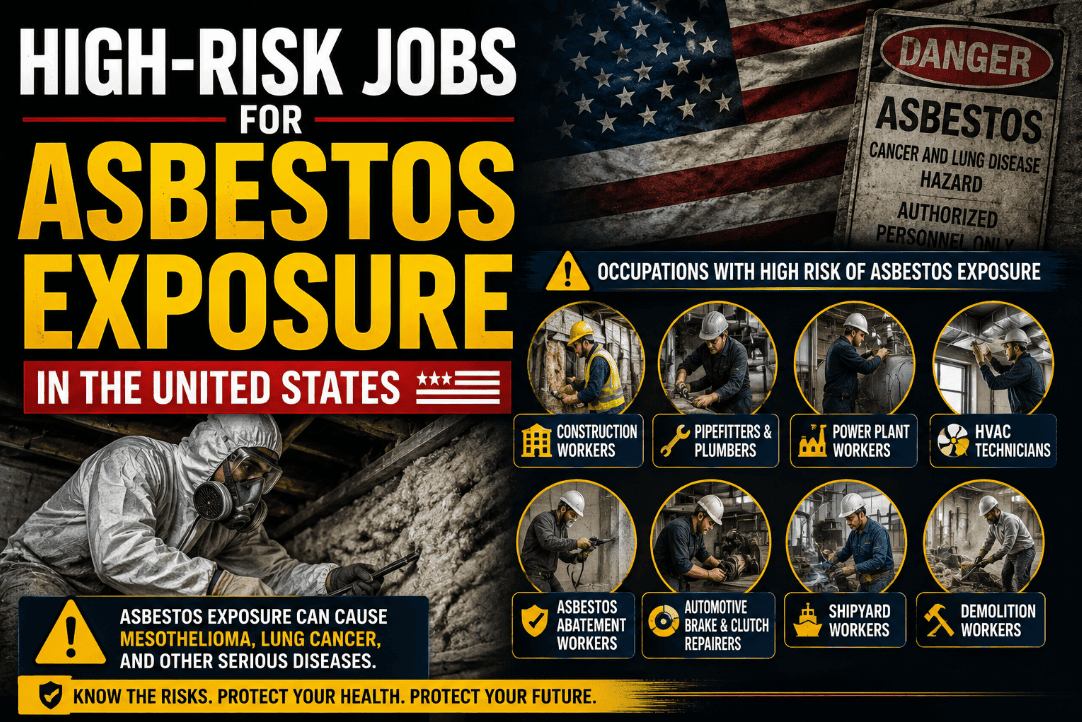
Certain jobs involve frequent work around older insulation, flooring, roofing, boilers, or mechanical systems that once contained asbestos.
Construction and Renovation Workers
Workers who install, repair, or remove insulation, roofing, flooring, ceiling tiles, or pipe coverings in pre-1980 buildings often encounter asbestos. Renovation and remodeling projects increase the chance of disturbing these materials.
Shipyard and Maritime Workers
Shipbuilding and vessel maintenance historically used asbestos in boiler rooms, engine spaces, gaskets, and insulation. Navy personnel and civilian shipyard employees who worked on or around older vessels remain among the groups with documented higher rates of related disease. Decommissioning and repair work on legacy ships can still present hazards.
Demolition and Abatement Crews
Tearing down or gutting older structures can release large amounts of fibers if asbestos is present in walls, ceilings, flooring, or mechanical systems. Proper inspection and containment are required, but incomplete surveys raise risk.
Electricians
Older electrical panels, wiring insulation, and conduit materials sometimes contained asbestos. Electricians who open walls or ceilings in historic or industrial buildings may disturb these materials during upgrades or repairs.
Plumbers and Pipefitters
Pipe insulation and joint compounds frequently included asbestos. Cutting, sanding, or removing old piping systems can release fibers if protective measures are not followed.
Automotive and Aircraft Mechanics
Brake pads, clutches, and certain gaskets manufactured before the 1990s often contained asbestos. Mechanics who service older vehicles or aircraft may encounter residual dust during repairs.
Boilermakers and Power-Plant Workers
Boilers, turbines, and related equipment were commonly insulated with asbestos. Maintenance, welding, and overhaul work in older facilities can disturb remaining materials.
Firefighters
Structural fires in older buildings can release asbestos fibers from collapsing insulation, ceiling materials, and flooring. Training exercises in outdated facilities have also contributed to exposure in some cases.
Industrial and Factory Workers
Older manufacturing plants that produced or used asbestos-containing products—textiles, cement, chemicals, and similar goods—left residual materials. Workers involved in plant upgrades, shutdowns, or maintenance may still encounter them.
Military Veterans
Service members, particularly those who worked on ships, aircraft, or base construction projects, experienced widespread exposure. Veterans continue to represent a notable share of mesothelioma diagnoses.
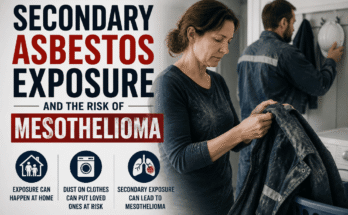
Secondary or indirect exposure can also affect people who worked in older offices, schools, or other buildings where ceiling tiles, floor tiles, or insulation deteriorated over time.
Health Conditions Linked to Occupational Exposure
Long-term inhalation of asbestos fibers is associated with:
- Mesothelioma, a cancer of the lining of the lungs, abdomen, or other organs
- Lung cancer, with risk further elevated in smokers who were also exposed
- Asbestosis, a chronic scarring of the lung tissue that impairs breathing
Because these diseases develop slowly, regular medical follow-up is important for anyone with a substantial work history in the occupations listed above. Persistent cough, shortness of breath, chest pain, or unexplained fatigue should prompt evaluation, especially when past asbestos contact is known.
Practical Steps to Reduce Risk
Employers are required to identify asbestos-containing materials, provide appropriate training, and supply protective equipment when exposure is possible. Workers can further protect themselves by:
- Using properly fitted respirators and protective clothing when handling suspect materials
- Following established work practices that minimize dust
- Requesting material testing before disturbing older insulation, flooring, or ceilings
- Reporting damaged or deteriorating materials promptly
- Participating in any medical surveillance programs offered by the employer
Certified asbestos abatement contractors should handle removal or major disturbance of known asbestos-containing materials.
Legal Considerations After Exposure-Related Illness
When asbestos exposure from a workplace leads to mesothelioma or another related disease, affected individuals and families may have options to pursue compensation. These can include claims against manufacturers or suppliers of asbestos products and, in some situations, asbestos bankruptcy trust funds established by companies that filed for bankruptcy. Time limits for filing claims vary by state and generally begin from the date of diagnosis or from the date the connection to asbestos was reasonably discovered. Consulting an attorney who focuses on asbestos litigation can clarify available routes and applicable deadlines.
Staying Informed and Proactive
Awareness of high-risk occupations remains useful even decades after asbestos use declined. Workers in construction, shipyards, demolition, mechanical trades, and related fields benefit from knowing where legacy materials are most likely to appear and from insisting on proper safeguards. Early medical attention after known exposure and timely discussion of legal options, when illness develops, give individuals and families more control over the practical consequences of past workplace contact.
This information is provided for educational purposes only and is not a substitute for professional medical or legal advice. Individual situations differ, and qualified professionals should be consulted for personal guidance.