
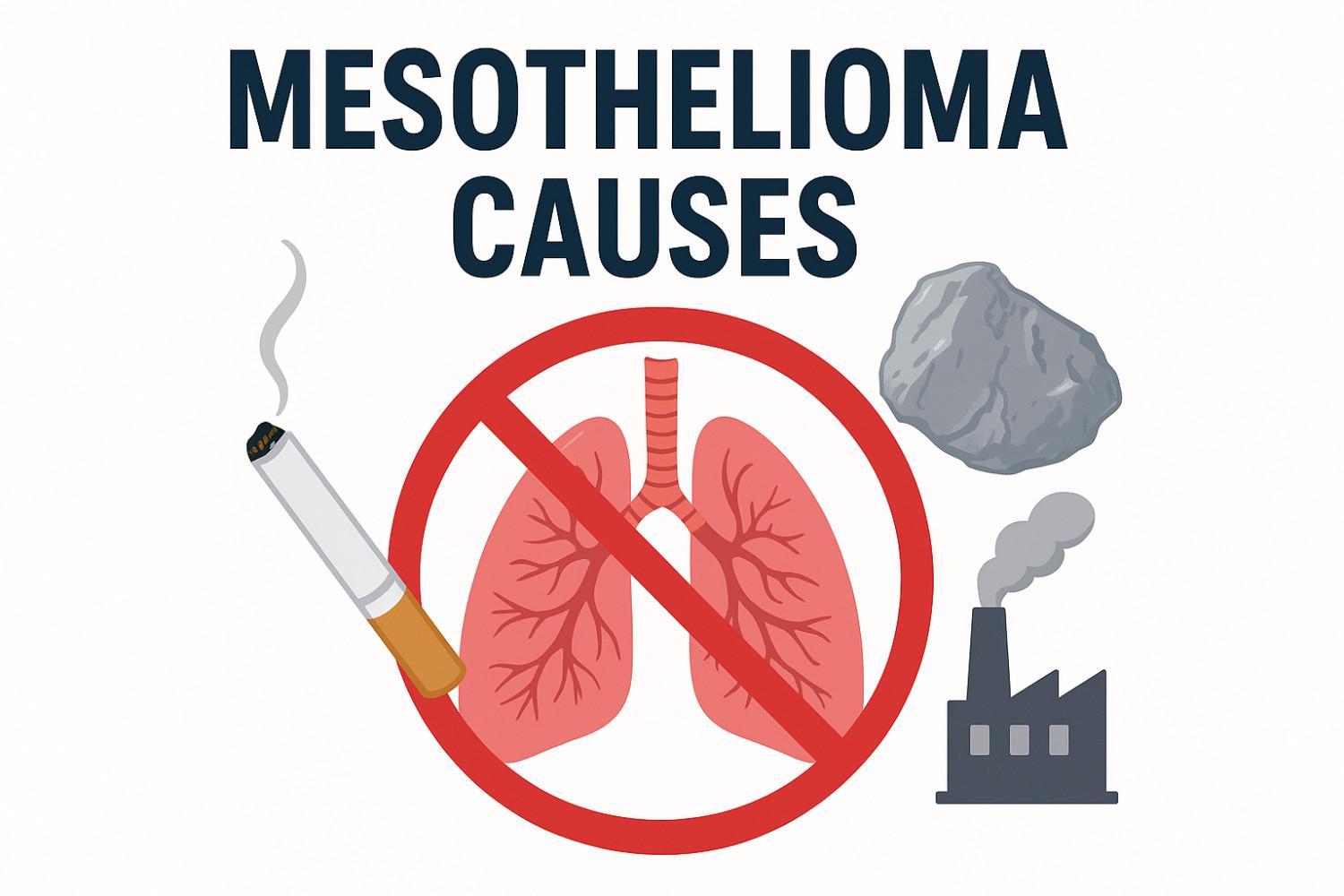
Mesothelioma, a rare and aggressive cancer that affects the mesothelium—the thin protective lining around internal organs like the lungs, abdomen, and heart—continues to impact thousands of lives globally. As of 02:35 PM IST on Sunday, October 05, 2025, understanding the causes of mesothelioma is critical for prevention, early detection, and seeking justice for those affected. Primarily linked to asbestos exposure, this disease has a long latency period of 20-50 years, making its origins often difficult to trace until symptoms appear. With approximately 3,000 new cases diagnosed annually in the U.S. alone, identifying mesothelioma causes empowers individuals, families, and communities to mitigate risks and access appropriate support. This comprehensive article delves into the primary and secondary causes of mesothelioma, supported by expert insights from organizations like the American Cancer Society (ACS) and the World Health Organization (WHO), to provide a clear picture of what drives this devastating condition.
What is Mesothelioma?
Mesothelioma is a malignant tumor that originates in the mesothelium, the membrane lining the lungs (pleural mesothelioma, 75% of cases), abdomen (peritoneal mesothelioma, 20%), heart (pericardial mesothelioma, <1%), or testicles (testicular mesothelioma, rare). The disease is characterized by its aggressive nature and poor prognosis, with a median survival of 12-21 months after diagnosis, though early intervention can extend life expectancy.
Symptoms often include shortness of breath, persistent cough, chest or abdominal pain, weight loss, and fatigue, which can mimic other conditions, delaying diagnosis. Treatments such as surgery, chemotherapy, radiation, and immunotherapy aim to manage the disease, but prevention and awareness of causes remain the best defenses.
Primary Cause: Asbestos Exposure
The overwhelming majority of mesothelioma cases—over 80%—are directly attributed to asbestos exposure. Asbestos, a group of naturally occurring fibrous minerals, was widely used in industries for its heat resistance, strength, and insulating properties until the late 20th century. When asbestos-containing materials are disturbed—through cutting, sanding, or demolition—microscopic fibers become airborne, which can be inhaled or ingested.
How Asbestos Causes Mesothelioma
Once inhaled, asbestos fibers lodge in the mesothelium, triggering chronic inflammation and scarring. Over decades, this damage leads to genetic mutations, causing healthy cells to become cancerous. The long latency period means exposure in the 1960s or 1970s might result in a diagnosis in 2025, explaining the persistent incidence despite reduced industrial use.
Types of Asbestos Linked to Mesothelioma
- Chrysotile (White Asbestos): The most common type, used in insulation, roofing, and textiles.
- Amosite (Brown Asbestos): Found in cement sheets and pipe insulation.
- Crocidolite (Blue Asbestos): Highly carcinogenic, used in high-temperature applications.
- Other Types: Anthophyllite, tremolite, and actinolite, often contaminants in other materials.
No safe exposure level exists; even minimal contact increases risk, particularly with cumulative exposure over time.
Occupational Exposure
Workers in high-risk industries face the greatest danger, accounting for 70-80% of cases. Common occupations include:
- Construction and Demolition: Handling asbestos in older buildings or during renovations.
- Shipbuilding and Repair: Using asbestos in insulation and fireproofing.
- Manufacturing: Producing asbestos-containing products like brakes and gaskets.
- Mining and Milling: Extracting raw asbestos.
- Military Service: Veterans, especially Navy personnel, exposed during shipyard work.
The Occupational Safety and Health Administration (OSHA) sets a permissible exposure limit of 0.1 fibers per cubic centimeter, but historical exposures often far exceeded this.
Secondary (Take-Home) Exposure
Secondary exposure occurs when asbestos fibers are carried home on workers’ clothing, hair, or tools, affecting family members. Women and children are particularly vulnerable, with studies showing a significant proportion of female mesothelioma cases linked to laundering contaminated clothes. This “para-occupational” exposure highlights the need for workplace hygiene practices like on-site showers and separate work gear.
Other Potential Mesothelioma Causes
While asbestos is the dominant cause, other factors may contribute or increase susceptibility, though evidence is less conclusive.
1. Radiation Exposure
High-dose radiation therapy for previous cancers (e.g., lymphoma) has been linked to mesothelioma in rare cases. The risk is dose-dependent, with long-term survivors showing a slight increase. This is not a primary cause but a secondary risk for cancer patients.
2. Genetic Predisposition
Certain genetic mutations, such as in the BAP1 gene, may heighten mesothelioma risk, especially in families with a history of the disease. However, this accounts for less than 1% of cases and typically requires asbestos exposure to trigger malignancy.
3. Environmental Exposure
Living near asbestos mines, factories, or naturally occurring deposits (e.g., in parts of Turkey or Australia) can lead to environmental exposure. Erionite, a mineral similar to asbestos, has caused mesothelioma outbreaks in some regions. In 2025, urban redevelopment of older buildings continues to pose environmental risks.
4. Simian Virus 40 (SV40) Contamination
Some research suggests a possible link between SV40, a virus found in early polio vaccines (1955-1963), and mesothelioma. However, the WHO and CDC consider this association inconclusive, with no definitive causal evidence.
5. Smoking and Other Factors
Smoking alone does not cause mesothelioma but increases lung cancer risk when combined with asbestos exposure, potentially masking or complicating mesothelioma diagnosis. Other pollutants or chemicals have not been proven as direct causes.
Who is at Risk for Mesothelioma?
Risk factors amplify the likelihood of developing mesothelioma due to asbestos exposure:
- Occupational Groups: Construction workers, shipyard laborers, mechanics, and veterans.
- Family Members: Those living with exposed workers, especially women and children.
- Geographic Locations: Residents near asbestos sites or with historical industrial activity.
- Age and Gender: Most cases occur in individuals over 65, with men more affected due to occupational exposure, though women face significant secondary risks.
In 2025, with legacy asbestos still present in older structures, awareness of these risks remains essential.
Symptoms and Diagnosis Related to Causes
Symptoms depend on the affected area but are often vague, delaying diagnosis:
- Pleural: Shortness of breath, chest pain, persistent cough.
- Peritoneal: Abdominal swelling, pain, nausea.
- Pericardial: Heart palpitations, fatigue.
Diagnosis involves imaging (CT, PET), biopsies, and blood tests for markers like mesothelin, with a focus on exposure history to confirm causation.
Prevention and Legal Recourse
Preventing mesothelioma involves avoiding asbestos:
- Workplace Safety: Use PPE, conduct surveys, and follow OSHA guidelines.
- Home Precautions: Avoid disturbing old insulation; hire certified abatement professionals.
- Environmental Awareness: Support bans on asbestos use, still permitted in some products.
For those affected, legal action offers compensation. Asbestos trust funds and lawsuits provide average payouts of $300,000-$1.4 million, covering medical costs and more. Act within statutes of limitations (1-3 years from diagnosis).
Conclusion: Knowing the Causes to Fight Mesothelioma
Understanding mesothelioma causes—primarily asbestos exposure through occupational, secondary, or environmental routes—equip individuals with knowledge to prevent future cases and seek timely support. While radiation and genetics play minor roles, asbestos remains the key driver, necessitating global efforts to eliminate its use. In 2025, awareness and legal action remain powerful tools for those impacted.
This article is for informational purposes only and not a substitute for professional medical or legal advice.