Mesothelioma is a rare, aggressive cancer that develops in the thin lining around the lungs, abdomen, or other organs. Nearly all cases are linked to asbestos exposure. Construction workers face elevated risk because many older buildings still contain asbestos materials installed before stricter regulations took effect. Renovation, repair, and demolition work can release microscopic fibers that workers may inhale. Understanding the sources of exposure, early symptoms, practical safety steps, and available options after a diagnosis helps workers and families respond effectively.
What Mesothelioma Is and How It Develops
Mesothelioma forms in the mesothelium, the protective membrane covering internal organs. The most common type among construction workers is pleural mesothelioma, which affects the lining of the lungs. Less often it appears in the abdomen (peritoneal) or other sites. Asbestos fibers that become lodged in this tissue can cause chronic irritation and, over many years, cancerous changes.
The disease typically has a long latency period of 20 to 50 years. Symptoms therefore often appear long after the original exposure, sometimes after a worker has retired. Roughly 3,000 new cases are diagnosed each year in the United States, and occupational exposure accounts for the large majority.
Why Construction Work Carries Higher Risk
Asbestos was widely used in building materials for its heat resistance and durability until the late 20th century. Even though new uses have been heavily restricted, legacy materials remain in many structures built before the 1980s. Construction tasks that disturb these materials—cutting, sanding, drilling, or removing them—can release fibers into the air.
Key contributors to risk include:
- Direct handling or disturbance of older insulation, roofing, flooring, and drywall products
- Incomplete knowledge of whether asbestos is present on a given job site
- Occasional gaps in training or protective procedures
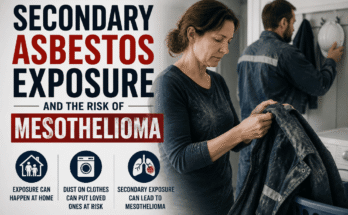
- Secondary exposure when fibers travel home on clothing or tools
Workers who perform renovations, remodeling, or demolition in older commercial and residential buildings encounter these hazards most often.
Common Sources of Asbestos on Construction Sites
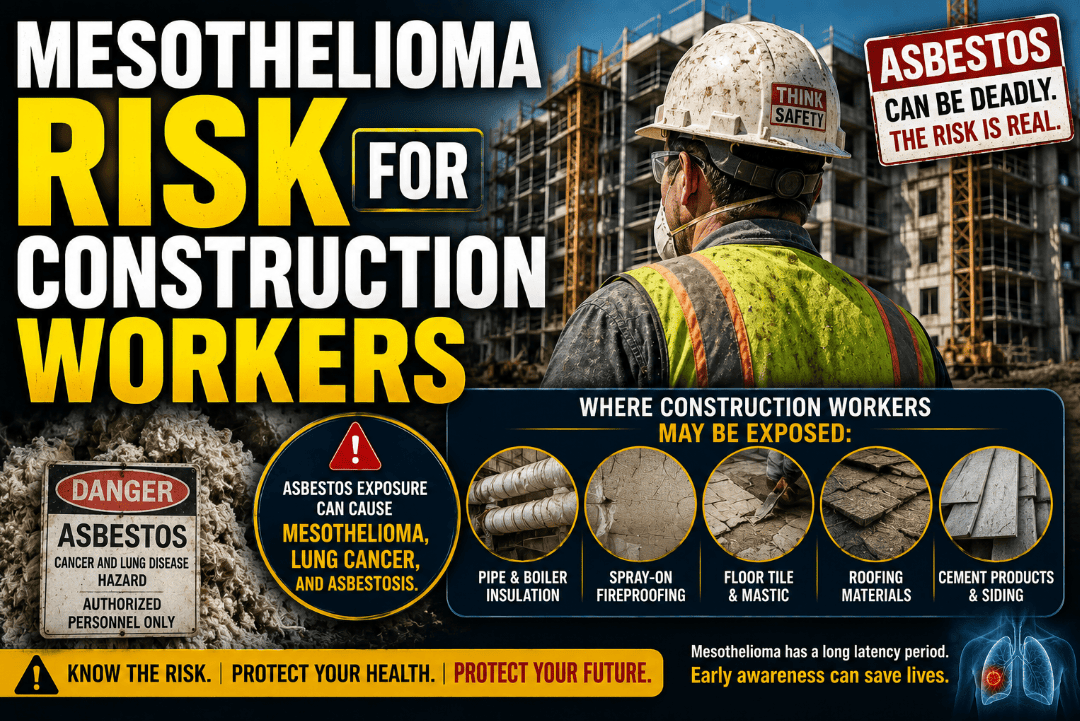
Materials that frequently contained asbestos include:
- Pipe and boiler insulation
- Roofing felt, shingles, and cement sheets
- Vinyl floor tiles and the adhesives used to install them
- Drywall joint compounds and textured ceiling materials
- Certain electrical insulation and panel components
In buildings constructed before 1980, it is prudent to treat suspect materials as potentially containing asbestos until testing proves otherwise. Proper inspection and, when needed, professional abatement reduce the chance of uncontrolled fiber release.
Symptoms Construction Workers Should Watch For
Early signs of mesothelioma are often nonspecific and can resemble more common respiratory or digestive problems. For the pleural form most often seen in this occupation, common symptoms include:
- A persistent cough that does not improve
- Shortness of breath
- Chest pain or a feeling of tightness
- Ongoing fatigue
- Unexplained weight loss
- Fluid accumulation around the lungs
If fibers were swallowed, peritoneal mesothelioma may produce abdominal pain, swelling, nausea, or changes in bowel habits. Anyone with a history of construction work who develops these symptoms should mention possible asbestos exposure to a physician. Imaging studies, biopsy, and pathology examination are required for a definitive diagnosis.
Diagnosis and Treatment Overview
Diagnosis usually begins with a detailed occupational history and physical exam, followed by imaging (X-ray, CT, or PET scans). A tissue or fluid sample examined under a microscope confirms the presence of mesothelioma cells. Staging then determines how far the disease has spread and guides treatment planning.
Treatment options may include surgery to remove visible tumor, chemotherapy, radiation, immunotherapy, or combinations of these approaches. Clinical trials continue to test newer therapies. Supportive and palliative care focus on symptom relief and quality of life at every stage. Outcomes vary widely depending on the type of mesothelioma, stage at diagnosis, and overall health of the patient.
Practical Prevention Steps for Construction Workers
Reducing exposure remains the most effective protection:
- Complete asbestos-awareness training required by OSHA and follow site-specific protocols
- Use properly fitted respirators and protective clothing when working around suspect materials
- Request material testing before disturbing insulation, flooring, ceilings, or other older components
- Employ wet methods and containment practices that limit dust
- Change out of work clothes and shower before leaving the job site when exposure is possible
- Participate in any medical monitoring programs offered by employers
Employers are responsible for identifying asbestos-containing materials, providing training, and supplying appropriate protective equipment. Workers should report damaged or deteriorating materials promptly.
Legal Options After an Asbestos-Related Diagnosis
When mesothelioma develops after workplace exposure, affected individuals and families may have avenues to seek compensation. These can include claims against manufacturers or suppliers of asbestos products and, in some cases, asbestos bankruptcy trust funds created by companies that filed for bankruptcy. Workers’ compensation may cover certain medical costs, though it often has limits. Time limits for filing claims vary by state and generally begin from the date of diagnosis or from the date the connection to asbestos was reasonably discovered. An attorney experienced in asbestos litigation can review the work history and explain available options and deadlines.
Taking Practical Steps Forward
Construction work continues to involve contact with older building materials that may contain asbestos. Awareness of the common sources, consistent use of protective practices, and prompt medical attention if symptoms appear give workers the best chance of limiting further harm. After a diagnosis, documenting the occupational history and consulting qualified legal counsel can clarify pathways to financial support for medical care and related costs.
This information is provided for educational purposes only and is not a substitute for professional medical or legal advice. Individual circumstances differ, and qualified professionals should be consulted for personal guidance.