Cancer touches nearly every family in America—whether it’s a parent battling breast cancer, a friend facing lung issues, or a community rallying around someone with mesothelioma from old asbestos exposure. In 2025, with over 2 million new cases expected nationwide, the fight isn’t just in labs or hospitals; it’s in our neighborhoods, schools, workplaces, and conversations. “Fight Cancer Together” isn’t a slogan—it’s a call to action blending awareness, early detection, and prevention strategies that anyone can join. From coast to coast, Americans are stepping up: hosting walks in small towns, pushing for policy changes in state capitals, and sharing stories that save lives. This isn’t about fear; it’s about empowerment. Let’s explore how awareness campaigns are sparking change, what prevention really looks like across different cancers (including lesser-known ones like mesothelioma), and real ways you can get involved right where you live.
Why Awareness Matters: Breaking the Silence on Cancer
Think back to the pink ribbons of the 1990s—suddenly, breast cancer wasn’t whispered about; it was front and center. That shift saved lives through earlier mammograms and research funding. Today, awareness does the same for all cancers, from common ones like prostate and colorectal to rarer threats like mesothelioma, which claims about 3,000 lives yearly, mostly from decades-old asbestos in buildings or jobs.
Awareness isn’t just ribbons or hashtags. It’s education that flips statistics. The American Cancer Society (ACS) reports that 40% of cancers are preventable through lifestyle and environmental changes. Campaigns like Stand Up to Cancer or the Meso Foundation’s walks demystify risks—did you know secondary asbestos exposure from a parent’s work clothes can affect kids years later? Stories from survivors, like a Navy vet in California sharing his mesothelioma journey at a local VFW, humanize the data and prompt others to check old homes or push for screenings.
In 2025, digital tools amplify this. Apps track sun exposure for skin cancer prevention, while social media challenges (think #NoButtsAboutIt for colorectal screening) go viral. But it’s local efforts that hit home: community health fairs in rural Texas offering free PSA tests or Chicago schools teaching teens about HPV vaccines to prevent cervical cancer.
Prevention Across America: Tailored Strategies for Every Cancer
Prevention isn’t one-size-fits-all—it’s as varied as America’s landscape. Here’s a region-by-region, cancer-by-cancer look at what’s working.
Lung Cancer: Quitting Smoking and Beyond
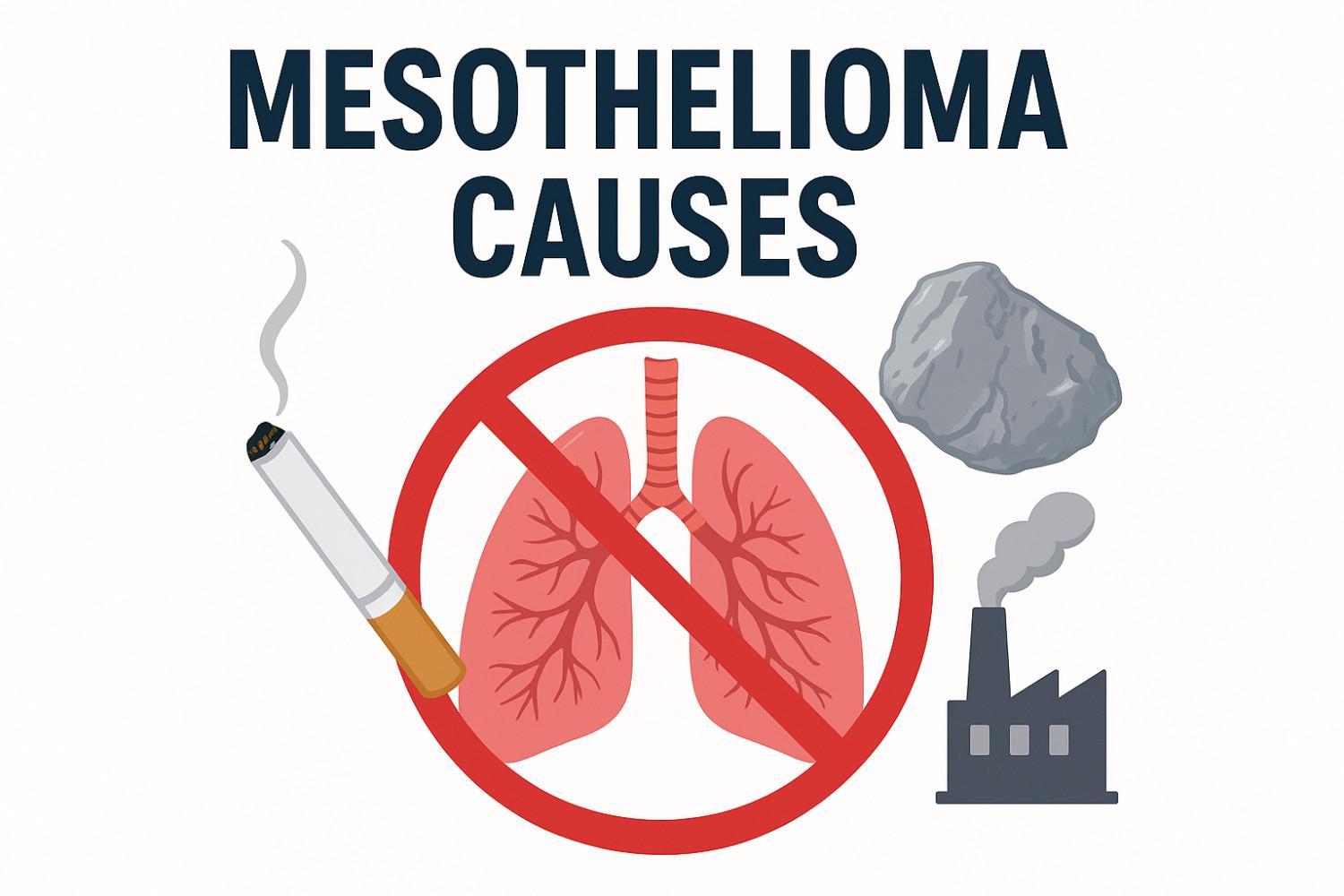
Lung cancer leads deaths, but 85% tie to smoking. From Alaska’s quitlines to Florida’s beachside support groups, programs help. Vaping bans in schools curb youth starts, while radon testing in Midwest homes (a top non-smoking cause) prevents thousands of cases. For mesothelioma, a lung lining cancer, prevention means asbestos awareness—states like New York mandate surveys in pre-1980 schools.
Breast and Prostate Cancer: Screening Saves Lives
Mammograms and PSAs are game-changers. In urban Atlanta, mobile units bring screenings to underserved areas, catching breast cancer early when survival tops 99%. Prostate awareness in men’s health clinics across the South emphasizes informed decisions, avoiding over-treatment.
Colorectal Cancer: The 45+ Wake-Up Call
Guidelines dropped to age 45 in 2021, and it’s paying off. California’s stool test kits mailed to homes boost compliance, while Midwest farm co-ops host “scope parties” normalizing colonoscopies. Diet plays in: swapping red meat for veggies cuts risk 20%.
Skin Cancer: Sun Smarts from Coast to Coast
With melanoma rising, Hawaii’s shade structures in parks and Texas school UV policies teach kids early. Free dermatologist checks at summer festivals catch spots before they spread.
Mesothelioma and Asbestos-Related Cancers: The Hidden Threat
This one’s sneaky—latency means today’s cases stem from 1970s exposures. Prevention? Know your home or job history. In shipyard towns like Norfolk, VA, veteran groups educate on VA benefits and abatement. Nationwide, the EPA’s 2024 chrysotile ban phases out imports, but legacy asbestos in 30 million buildings demands vigilance during renos—always hire pros.
Across cancers, vaccines shine: HPV shots prevent six types, nearly eliminating cervical cancer in vaccinated generations. Hepatitis B vaccines slash liver cancer. Lifestyle ties it together—30 minutes daily movement, balanced plates, limited alcohol—cuts overall risk 30-50%, per ACS.
Community Action: How Americans Are Fighting Back Locally
The real magic happens on the ground. In Seattle, tech workers fund immuno-oncology research through charity runs. Small-town Ohio libraries host “Cancer 101” talks with oncologists. Native American tribes in Arizona blend traditional healing with modern screenings, boosting participation.
Corporate America joins: companies offer paid screening days, while unions push asbestos bans in construction. Schools integrate health ed—kids in Colorado learn radon risks alongside fire drills.
Mesothelioma hits hard in industrial heartlands. Michigan’s auto worker retirees form support networks, sharing legal tips for trust fund claims (over $30 billion available). These groups don’t just cope; they prevent by warning younger workers.
Policy and Research: The National Push
Federal efforts amp prevention. The Cancer Moonshot, rebooted in 2022, aims to halve deaths by 2047 through better screening and equity. Bills like the 2025 Asbestos Safety Act fund school abatements. Research dollars flow to trials—over 1,000 cancer studies recruiting now, from CAR-T for solid tumors to AI predicting mesothelioma from scans.
States lead too: California’s Proposition 65 warns on carcinogens; Texas expands Medicaid for low-income screenings. Bipartisan support grows as cancer’s cost—$200 billion yearly—hits home.
Your Role: Simple Steps to Fight Cancer Together
Ready to join? Start small:
- Get Screened: Follow guidelines—mammogram at 40, colonoscopy at 45.
- Lifestyle Tweaks: Walk briskly, eat colorful veggies, skip tanning beds.
- Home Checks: Test for radon ($20 kit), inspect older homes for asbestos before DIY.
- Spread the Word: Share a survivor’s story, host a fundraiser.
- Advocate: Contact reps for cancer funding or asbestos bans.
For mesothelioma families, document exposure—old job records or home reno photos strengthen claims, easing treatment burdens.
The Road Ahead: Hope in Unity
Fighting cancer together across America means blending awareness that educates, prevention that protects, and community that supports. From a grandma in Montana quitting smoking to a teen in Miami getting the HPV vaccine, every action counts. In 2025, with tools like telehealth screenings and gene-based prevention on the horizon, the future looks brighter—if we act now.
Cancer doesn’t discriminate, but neither does our resolve. Let’s turn awareness into action, one conversation, one screening, one policy at a time.
Note/Disclaimer
This article is for informational purposes only and should not be taken as medical advice. Please consult a qualified healthcare professional for diagnosis and treatment.