
Cancer is a word that strikes fear in many, but with advances in medicine and growing awareness, more people are surviving and living well after a diagnosis. It’s a complex group of diseases where cells grow out of control, often forming tumors that can spread to other parts of the body. While hundreds of cancer types exist, some affect far more people than others due to lifestyle, environmental, and genetic factors. In this article, we’ll focus on five notable ones: Lung Cancer, Breast Cancer, Colorectal Cancer, Prostate Cancer, and Mesothelioma. These cancers vary in prevalence, but understanding them can empower you to make healthier choices and seek timely care. We’ll break down each one, looking at causes, risk factors, symptoms, how they’re diagnosed, treatment paths, and practical prevention strategies. Remember, early detection often makes a big difference, so let’s explore.
1. Lung Cancer
Lung cancer is one of the most aggressive and widespread forms of cancer, claiming more lives than any other type in many parts of the world. It starts in the lungs, the vital organs that help us breathe, and can spread quickly if not caught early.
Causes
The main culprit behind lung cancer is damage to the DNA in lung cells, leading to uncontrolled growth. This damage is often triggered by inhaling harmful substances over time. Cigarette smoking is responsible for about 80-90% of cases, as the toxins in tobacco smoke directly harm lung tissue and cause mutations. Other causes include exposure to carcinogens like radon gas, asbestos, or industrial chemicals, which can also alter cell behavior and spark cancerous changes. In some instances, genetic factors or previous radiation treatments to the chest area play a role, though these are less common.
Risk Factors
Smoking tops the list—whether it’s cigarettes, cigars, or pipes, the risk skyrockets with the amount and duration of use. Even secondhand smoke increases chances by about 20-30%. Other factors include age (most diagnoses occur after 65), family history of lung cancer, exposure to radon (a naturally occurring gas that seeps into homes), and occupational hazards like working in mining or construction where asbestos or other pollutants are present. People who’ve had radiation therapy for other cancers or those with chronic lung diseases like COPD are also at higher risk.
Symptoms
Early on, lung cancer might not show obvious signs, which is why it’s often called a “silent killer.” As it progresses, common symptoms include a persistent cough that worsens over time, coughing up blood, shortness of breath, chest pain, hoarseness, unexplained weight loss, and fatigue. Some people experience recurring infections like bronchitis or pneumonia, or swelling in the face and neck if the cancer affects nearby areas.
Diagnosis
Diagnosis usually starts with a physical exam and medical history review. Imaging tests like chest X-rays or CT scans help spot abnormalities in the lungs. If something suspicious appears, a biopsy—taking a small tissue sample—is key to confirm cancer and determine its type (non-small cell or small cell). Other tools include PET scans to check for spread, bronchoscopy (a tube inserted into the airways), or sputum cytology to examine mucus for cancer cells. For those at high risk, like long-term smokers, low-dose CT screening is recommended annually to catch it early.
Treatment Options
Treatment depends on the stage, type, and overall health. Surgery to remove the tumor or affected lung lobe is common for early stages. Chemotherapy uses drugs to kill cancer cells, often combined with radiation therapy, which targets high-energy beams at the tumor. Targeted therapies attack specific genetic mutations in cancer cells, while immunotherapy boosts the body’s immune system to fight the disease. For advanced cases, palliative care focuses on relieving symptoms and improving quality of life. Clinical trials offer access to new treatments, and survival rates have improved with personalized approaches.
Prevention Tips
The best defense is avoiding tobacco altogether—quitting smoking can cut your risk dramatically, even after years of use. Test your home for radon and fix any issues. Wear protective gear if your job exposes you to carcinogens, and maintain a healthy diet rich in fruits and vegetables, which may offer some protection. Regular exercise and avoiding secondhand smoke are also smart moves. If you’re at high risk, talk to your doctor about screening programs.
2. Breast Cancer
Breast cancer affects the tissues of the breast, most commonly in women but also in men. It’s the second most common cancer among women globally, but with early detection, many lead full lives post-treatment.
Causes
Breast cancer arises when cells in the breast ducts or lobules mutate and multiply unchecked. While the exact cause isn’t always clear, it’s linked to changes in genes like BRCA1 and BRCA2, which can be inherited or acquired over time. Hormonal influences, such as prolonged exposure to estrogen from early menstruation or late menopause, contribute too. Lifestyle and environmental factors can trigger these cellular changes, leading to tumor formation.
Risk Factors
Age is a big one—most cases occur after 50. Family history, especially with BRCA mutations, heightens risk. Other factors include dense breast tissue, previous breast conditions like atypical hyperplasia, radiation exposure, obesity, alcohol consumption (even moderate amounts increase risk), and hormone replacement therapy. Not having children or having them later in life, and lack of breastfeeding, can also play a role.
Symptoms
A lump or thickening in the breast or underarm is a classic sign, but not all lumps are cancerous. Other clues include changes in breast shape or size, nipple discharge (especially bloody), skin dimpling like an orange peel, redness or scaliness on the nipple or breast, and persistent pain. Inflammatory breast cancer might cause swelling and redness, mimicking an infection. Many early cases have no symptoms, underscoring the value of screening.
Diagnosis
Mammograms are the go-to for screening, using low-dose X-rays to detect abnormalities. If something shows up, ultrasound or MRI provides more detail. A biopsy confirms cancer by examining tissue under a microscope, and tests like hormone receptor analysis help guide treatment. Genetic testing might be recommended for those with family history.
Treatment Options
Options vary by stage: Surgery (lumpectomy or mastectomy) removes the tumor, often followed by radiation to zap remaining cells. Chemotherapy, hormone therapy (like tamoxifen for estrogen-positive cancers), and targeted drugs (e.g., HER2 inhibitors) are common. Immunotherapy is emerging for certain types. Reconstruction surgery post-mastectomy helps many regain confidence. Supportive care addresses side effects like fatigue or hair loss.
Prevention Tips
Maintain a healthy weight, limit alcohol to one drink a day or less, exercise regularly (at least 150 minutes weekly), and breastfeed if possible—these can lower risk. Start mammograms at age 40 or earlier if high-risk, and perform self-exams monthly. For those with genetic risks, preventive medications or surgery might be options after consulting a specialist.
3. Colorectal Cancer
Colorectal cancer, affecting the colon or rectum, is highly treatable when found early. It’s the third most common cancer in both men and women, often starting as benign polyps that turn malignant over time.
Causes
It begins with genetic mutations in the cells lining the colon or rectum, often from chronic inflammation or DNA errors during cell division. Diet high in processed meats and low in fiber can contribute by altering gut bacteria and promoting cell changes. Inherited syndromes like Lynch syndrome or familial adenomatous polyposis accelerate this process.
Risk Factors
Age over 50 is key, though cases in younger people are rising. Family history, personal history of polyps or inflammatory bowel disease (like Crohn’s), obesity, smoking, heavy alcohol use, and a sedentary lifestyle all increase odds. Diets low in fruits, vegetables, and whole grains but high in red/processed meats are linked too. Black individuals face higher risks due to various factors.
Symptoms
Early stages may be symptom-free, but watch for changes in bowel habits (diarrhea or constipation), blood in stool, abdominal pain or cramping, unexplained weight loss, fatigue, or a feeling that the bowel doesn’t empty completely. Iron-deficiency anemia from chronic bleeding is another red flag.
Diagnosis
Colonoscopy is gold standard, allowing visualization and polyp removal. Stool tests like FIT detect blood or DNA changes. CT colonography (virtual colonoscopy) or sigmoidoscopy are alternatives. If cancer is suspected, biopsy and imaging like CT/MRI stage it.
Treatment Options
Surgery removes the affected section of the colon, often curative for early stages. Chemotherapy or radiation may follow for advanced cases. Targeted therapies block specific proteins, and immunotherapy works for microsatellite instability-high tumors. Ostomy (bag for waste) might be temporary or permanent.
Prevention Tips
Screen starting at 45 (or earlier if high-risk) with colonoscopy every 10 years. Eat a fiber-rich diet with plenty of produce, limit red meat, quit smoking, moderate alcohol, and stay active—regular exercise can reduce risk by up to 25%. Maintain a healthy weight to further protect yourself.
4. Prostate Cancer
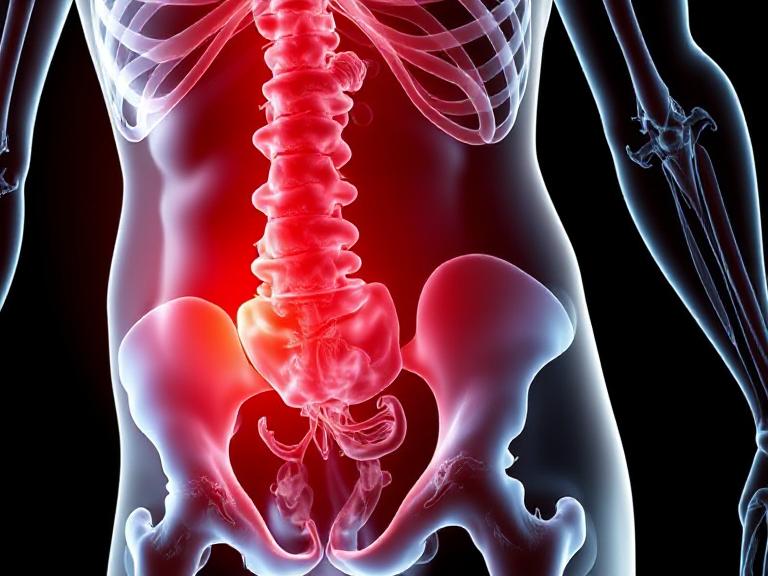
Prostate cancer develops in the prostate gland, which produces fluid for semen. It’s common in older men and often grows slowly, allowing for effective management.
Causes
Changes in prostate cell DNA lead to abnormal growth, influenced by hormones like testosterone. Inherited gene mutations (e.g., BRCA) or acquired ones from aging or environment play a part. Inflammation or high androgen levels may contribute.
Risk Factors
Age is primary—risk jumps after 50, peaking around 65-74. Family history doubles risk if a close relative had it. Black men face higher incidence and mortality. Diet high in dairy or fats, obesity, and exposure to Agent Orange are linked.
Symptoms
Early prostate cancer is often asymptomatic. Later signs include trouble urinating, weak flow, blood in urine or semen, erectile dysfunction, pelvic pain, or bone pain if spread. Frequent nighttime urination is common.
Diagnosis
PSA blood test measures prostate-specific antigen levels; elevated results prompt further checks. Digital rectal exam feels for lumps. Biopsy confirms, and MRI or bone scans assess spread. Gleason score grades aggressiveness.
Treatment Options
Active surveillance monitors slow-growing cancers without immediate intervention. Surgery (prostatectomy) removes the gland; radiation uses beams or implants. Hormone therapy lowers testosterone, chemotherapy for advanced cases, and targeted drugs for specific mutations. Side effects like incontinence are managed with rehab.
Prevention Tips
No surefire way, but a diet low in red meat and high in veggies (like tomatoes for lycopene) may help. Exercise, maintain healthy weight, and consider finasteride for high-risk men after doctor discussion. Regular PSA screening from age 50 (45 if high-risk) aids early detection.
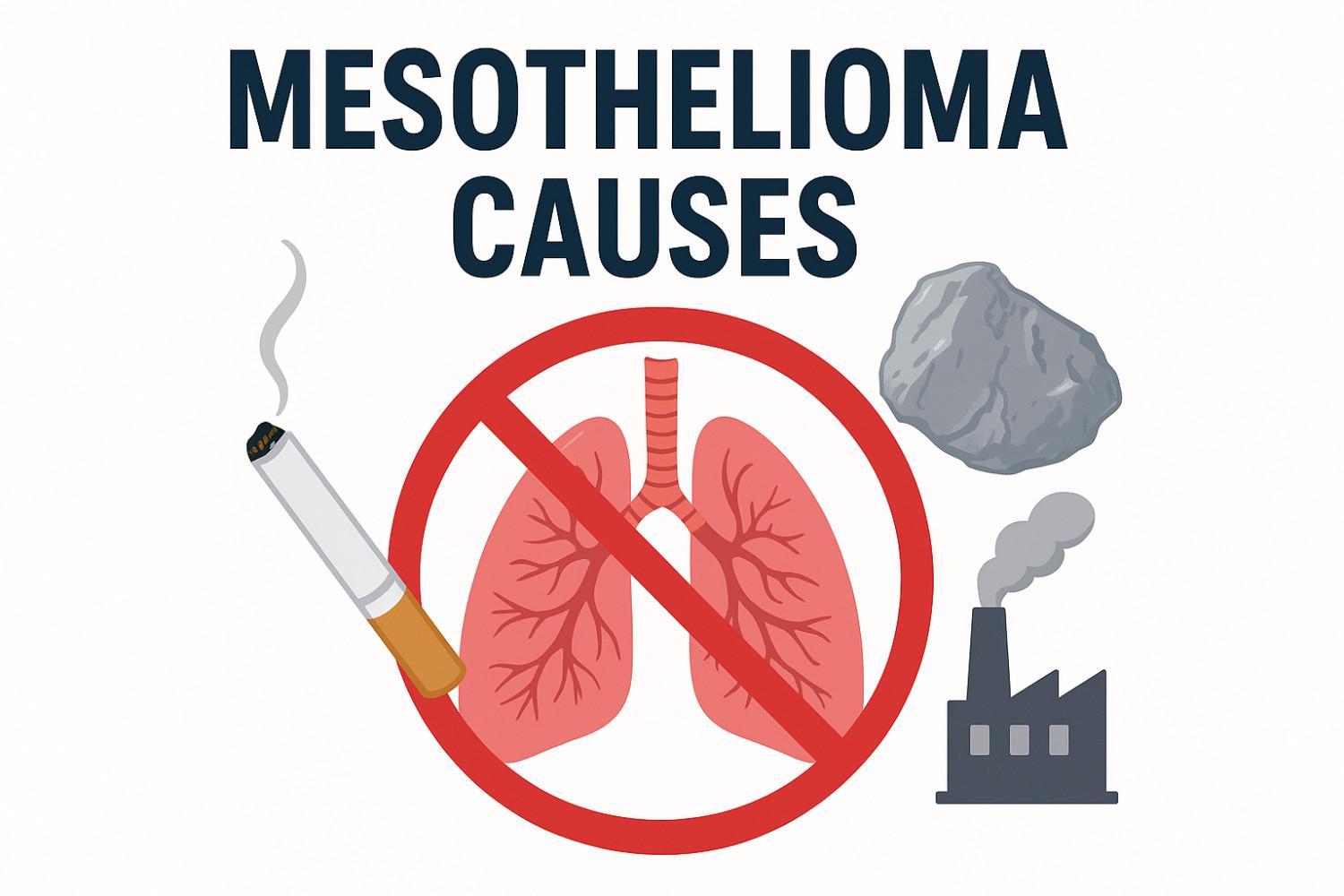
5. Mesothelioma
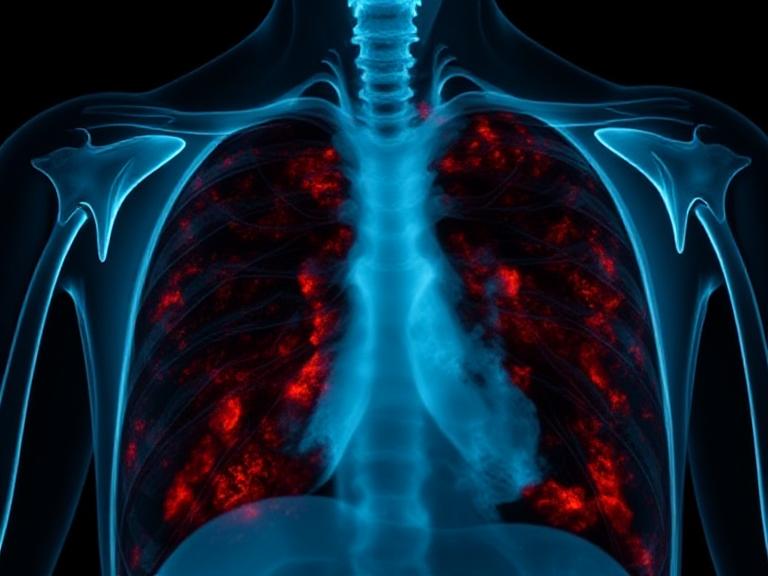
Mesothelioma is a rarer but serious cancer affecting the mesothelium, the thin lining around organs like the lungs, abdomen, or heart. It’s strongly tied to environmental exposure and can take decades to develop.
Causes
The primary cause is asbestos exposure, where inhaled or ingested fibers lodge in tissues, causing inflammation and DNA damage over 20-50 years. This leads to malignant cell growth. Rarely, radiation or genetic factors contribute.
Risk Factors
Asbestos contact is the biggest—common in older buildings, insulation, or industries like shipbuilding. Risk rises with exposure intensity and duration. Smoking doesn’t cause it but worsens outcomes. Family history or living with exposed workers (via fibers on clothes) adds risk.
Symptoms
Symptoms depend on location: Pleural (lung) type causes chest pain, shortness of breath, cough, fatigue, weight loss, and fluid buildup. Peritoneal (abdominal) includes swelling, pain, nausea, or bowel changes. Fever, sweating, and blood clots are general signs.
Diagnosis
It starts with imaging like CT or X-rays showing thickening or fluid. Biopsy is essential, often via thoracoscopy. Blood tests for markers like mesothelin help, and PET scans check spread. History of asbestos exposure is a key clue.
Treatment Options
Surgery removes tumors if possible, combined with chemotherapy (e.g., cisplatin) and radiation. Immunotherapy and targeted therapies are advancing. Multimodal approaches improve survival, and palliative options like pleurodesis drain fluid for comfort.
Prevention Tips
Avoid asbestos—use professionals for removal in old structures, and wear protection in at-risk jobs. Governments regulate it, so check building materials. Quit smoking to reduce complications, and if exposed in the past, get regular checkups.
Note/Disclaimer
This article is for informational purposes only and should not be taken as medical advice. Please consult a qualified healthcare professional for diagnosis and treatment.