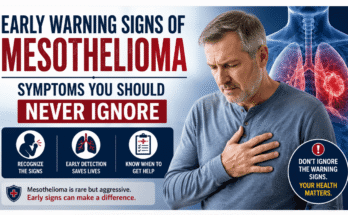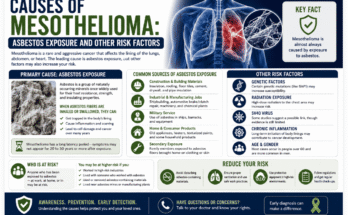
Outdoor workers face multiple hazards every day. High temperatures can lead to heat stress, while older buildings, roads, and industrial sites may still contain asbestos materials that raise the long-term risk of mesothelioma. Construction, agriculture, landscaping, road work, and similar jobs often combine both challenges. Understanding heat-related risks and following practical safety measures helps protect workers from immediate illness and reduces the chance of disturbing asbestos that could contribute to mesothelioma decades later.
What Heat Stress Is
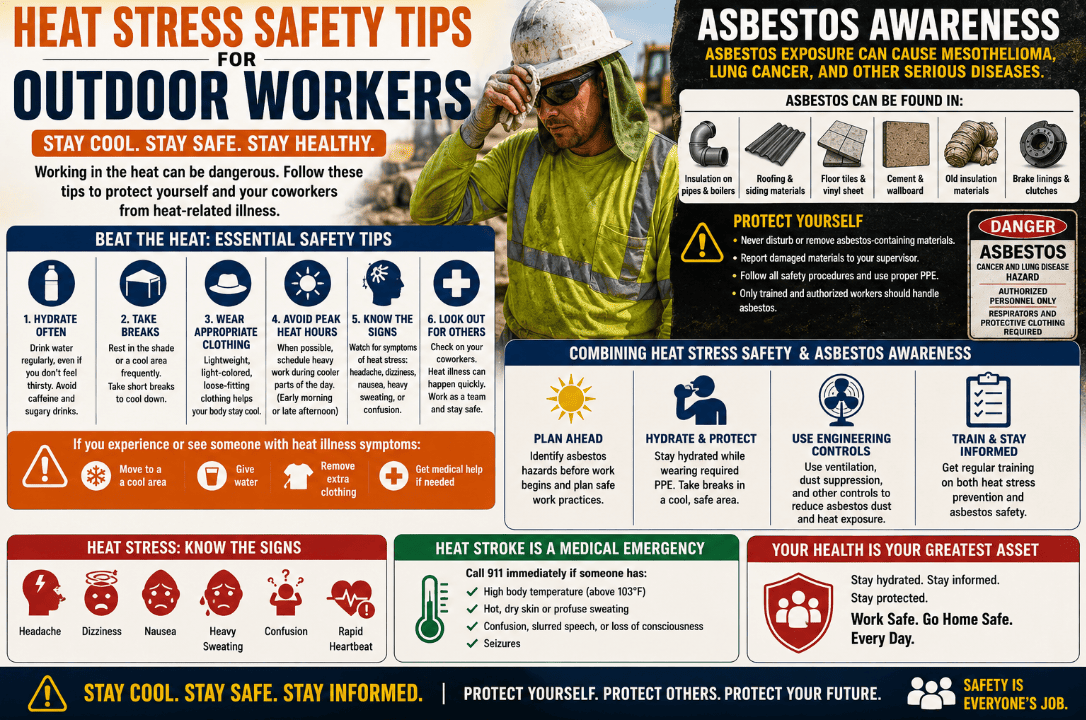
Heat stress occurs when the body cannot cool itself effectively through sweating and evaporation. High temperatures, humidity, direct sunlight, heavy physical work, and inadequate fluid intake all increase the risk. Common heat-related conditions include heat cramps, heat exhaustion, and heat stroke. Heat stroke is a medical emergency that requires immediate attention.
Outdoor workers are especially vulnerable during the hottest parts of the day and when performing demanding physical tasks.
Who Faces Higher Risk
Certain outdoor occupations carry elevated exposure to heat:
- Construction and road workers who labor on hot surfaces such as asphalt or metal
- Agricultural workers spending long hours in open fields
- Landscapers and groundskeepers using heavy equipment under direct sun
- Delivery, utility, and maintenance workers who move between vehicles and outdoor sites
New workers, those returning after time away, older employees, and people with certain medical conditions often adapt more slowly to heat and need closer monitoring. In many of the same settings, older structures or materials may also contain asbestos, adding a separate long-term health concern.
Recognizing Heat-Related Symptoms
Early recognition prevents more serious problems:
- Heat cramps: Muscle spasms, often in the legs or abdomen
- Heat exhaustion: Heavy sweating, weakness, dizziness, nausea, headache
- Heat stroke: High body temperature, confusion, rapid pulse, possible loss of consciousness
Workers should watch for these signs in themselves and their coworkers, especially between late morning and mid-afternoon.
Practical Safety Measures for Outdoor Workers
The following steps help reduce heat stress and support overall workplace safety, including awareness of potential asbestos materials in older structures.
1. Stay Properly Hydrated
Drink water regularly—about one cup every 15 to 20 minutes—even if you do not feel thirsty. Avoid sugary or alcoholic drinks. Keep water cool when possible.
2. Take Scheduled Breaks in Shade or Cool Areas
Rest in shaded or air-conditioned spaces at regular intervals, especially when temperatures or humidity rise. Rotating tasks can limit continuous exposure to the hottest conditions.
3. Wear Suitable Clothing and Protective Gear
Choose lightweight, light-colored, breathable fabrics. Wide-brimmed hats and sunglasses help. When work involves older buildings or materials that may contain asbestos, use the appropriate respirator and protective clothing in addition to heat-appropriate attire.
4. Allow Time to Acclimatize
New or returning workers should gradually increase time spent in hot conditions over several days to two weeks. Supervisors should monitor these workers more closely during the adjustment period.
5. Monitor Weather Conditions and Adjust Plans
Check heat index forecasts and shift strenuous outdoor tasks to cooler parts of the day when possible. Employers can use available heat-safety tools and alerts to guide scheduling.
6. Use Active Cooling Methods
Misting fans, cooling towels, shaded rest areas, and access to cool water help lower body temperature. In emergency situations, more aggressive cooling measures may be needed.
7. Maintain Balanced Nutrition
Eat lighter meals that support hydration and energy. Fruits, vegetables, and electrolyte-containing foods are useful. Heavy, high-fat meals can increase discomfort in the heat.
8. Recognize Symptoms Early and Respond Quickly
Stop work at the first sign of heat-related symptoms. Move to a cooler area, rest, and rehydrate. For signs of heat stroke, seek emergency medical help immediately. Coworkers should be trained to assist.
9. Follow Established Safety Programs
Participate in heat-stress training and any asbestos-awareness training required for the job. Know emergency procedures and the location of first-aid resources.
10. Support a Strong Safety Culture
Encourage coworkers to take breaks, stay hydrated, and report both heat-related concerns and damaged materials that might contain asbestos. Suggest practical improvements such as additional shade, water stations, or better protective equipment when needed.
Asbestos Considerations for Outdoor and Construction Workers
Many outdoor jobs, especially construction and renovation, take place around older buildings, bridges, or industrial sites where asbestos may still be present in insulation, roofing, flooring, or cement products. Disturbing these materials without proper controls can release fibers that, if inhaled, raise the long-term risk of mesothelioma. Combining heat-safety practices with asbestos precautions—identifying suspect materials, using appropriate respiratory protection, minimizing dust, and reporting damaged materials—offers more complete protection.
Employer Responsibilities and Available Guidance
Employers are expected to provide a workplace free from recognized hazards. This includes planning for heat (rest breaks, water, shade, and acclimatization) and addressing potential asbestos in older structures through inspection, training, and proper work practices. Workers should report unsafe conditions so they can be corrected.
Health Consequences of Ignoring These Risks
Untreated heat stress can progress from mild symptoms to life-threatening heat stroke. At the same time, repeated or uncontrolled exposure to asbestos fibers increases the chance of developing mesothelioma or other asbestos-related diseases many years later. Consistent attention to both immediate heat risks and longer-term material hazards reduces preventable harm.
Rights After a Work-Related Illness or Injury
Workers who suffer heat-related illness or an occupational disease such as mesothelioma linked to workplace exposure may be eligible for workers’ compensation benefits. In cases involving asbestos, additional options such as claims against product manufacturers or asbestos trust funds may also exist. Prompt reporting and good record-keeping of job duties and medical care support any later claims. Time limits apply, so timely action is important.
Building Safer Outdoor Work Practices
Heat stress is a serious and immediate risk for outdoor workers. At the same time, many of the same jobs involve potential contact with older materials that can release asbestos fibers. Staying hydrated, taking breaks, wearing appropriate clothing and protective equipment, acclimatizing gradually, monitoring conditions, using cooling methods, eating well, recognizing symptoms early, following training, and supporting a safety culture protect workers from both short-term heat illness and longer-term diseases such as mesothelioma.
This information is provided for educational purposes only and is not a substitute for professional safety training, medical advice, or legal counsel. Workplace conditions and individual circumstances vary. Follow employer policies and applicable regulations, and consult qualified professionals when needed.