
Mesothelioma is a rare, aggressive cancer most often caused by asbestos exposure. Many people who develop the disease were exposed on the job decades earlier. A diagnosis frequently brings high medical costs, lost income, and significant emotional strain. Compensation programs and legal claims exist to help cover these expenses and provide financial support. This article explains the main types of compensation available, general eligibility factors, and practical steps workers and families can take.
What Mesothelioma Compensation Covers
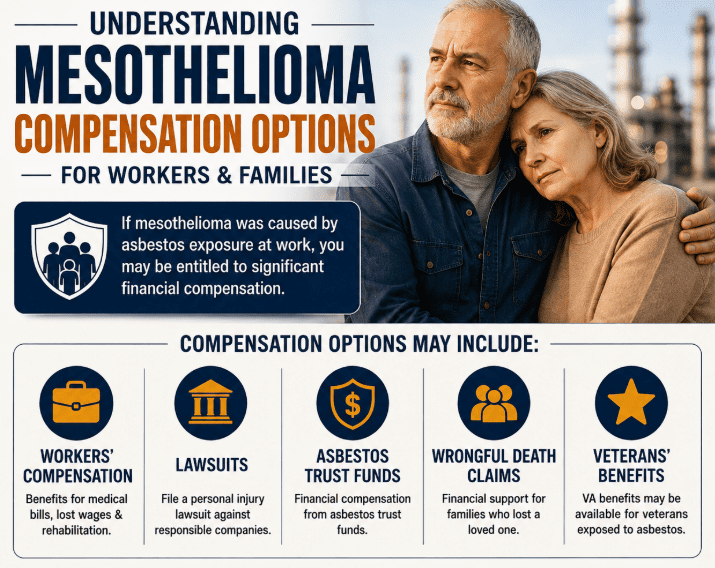
Compensation is financial support provided to people diagnosed with mesothelioma or to their surviving family members. It is intended to help with medical treatment, lost wages, future care needs, and other impacts of the illness. The primary sources are asbestos bankruptcy trust funds, personal-injury or wrongful-death lawsuits, veterans’ benefits, and, in some cases, workers’ compensation.
Because asbestos exposure often occurred many years ago and involved multiple products or workplaces, more than one avenue of recovery may be available in a single case.
Main Types of Compensation
Asbestos Trust Fund Claims
Many companies that manufactured or used asbestos products later filed for bankruptcy and established trust funds to pay valid claims. These claims follow an administrative process rather than a full court trial. Claimants generally need to show a mesothelioma diagnosis and evidence of exposure to that company’s products. Trust-fund claims often move more quickly than traditional lawsuits.
Personal-Injury Lawsuits
Living patients may file lawsuits against companies responsible for asbestos exposure. These cases seek compensation for medical costs, lost income, and the broader effects of the disease. Most claims resolve through negotiated settlements rather than trial.
Wrongful-Death Claims
When a person dies from mesothelioma, eligible family members may bring a wrongful-death claim. These actions seek compensation for losses related to the death, including financial support the person would have provided and other damages allowed under state law.
Veterans’ Benefits
Veterans who developed mesothelioma after asbestos exposure during military service may qualify for disability compensation and healthcare through the Department of Veterans Affairs. Service on ships, in shipyards, or in certain construction and maintenance roles is frequently relevant. VA benefits can often be pursued alongside private claims against manufacturers.
Workers’ Compensation
In some situations, state workers’ compensation systems provide benefits for occupational diseases, including those linked to asbestos. These benefits typically cover medical care and a portion of lost wages. Amounts and rules vary by state, and this route is often more limited than lawsuits or trust-fund claims.
General Eligibility Factors
Eligibility usually depends on:
- A confirmed medical diagnosis of mesothelioma
- Evidence of asbestos exposure, most often through work history
- Filing within the applicable time limits (statutes of limitations), which vary by state and generally begin from the date of diagnosis or from the date the connection to asbestos was reasonably discovered
Secondary exposure (for example, fibers brought home on work clothing) and military service may also support claims in appropriate cases. Employment records, union documents, military service papers, and medical records are commonly used to establish the necessary facts.
Overview of the Process
- Medical confirmation – Obtain a clear diagnosis and keep all related records.
- Documentation of exposure – Gather job histories, product information, and any available witness details.
- Consultation with experienced counsel – An attorney familiar with asbestos cases can evaluate which trust funds, lawsuits, or benefit programs may apply.
- Filing claims – Trust-fund claims follow administrative rules; lawsuits begin with a formal complaint.
- Investigation and negotiation – Evidence is developed and discussions with defendants or trust administrators take place.
- Resolution – Most cases resolve through settlement. Funds are distributed after any agreed attorney fees and case expenses are handled according to the fee agreement.
Many attorneys who handle these cases work on a contingency-fee basis, meaning their fee is a percentage of the recovery and is paid only if compensation is obtained.
Factors That Influence the Amount Recovered
The value of a claim depends on the specific facts, including:
- Duration and intensity of asbestos exposure
- Medical expenses already incurred and those expected in the future
- Lost income and reduced earning capacity
- The overall impact of the illness on daily life
- The number of responsible parties and the strength of the evidence linking them to the exposure
No two cases are identical, so outcomes vary.
Practical Steps for Workers and Families
- Confirm the diagnosis with a qualified physician and retain copies of all medical records.
- Assemble a detailed work history, including job titles, locations, approximate dates, and any known asbestos-containing products.
- Note any military service that may have involved asbestos.
- Speak with an attorney experienced in mesothelioma and asbestos claims to understand available options and applicable deadlines.
- Consider whether both trust-fund claims and lawsuits may be appropriate.
- Keep records of medical costs, lost income, and other expenses related to the illness.
Acting within the relevant time limits is essential. Missing a deadline can permanently bar a claim.
Common Challenges
Records from decades-old jobs may be incomplete. Some former employers or product manufacturers no longer exist. Locating evidence of exposure and identifying all potential sources of recovery can take time and specialized knowledge. Working with counsel who regularly handles asbestos cases helps address these difficulties.
The Role of Compensation
Financial recovery cannot reverse a mesothelioma diagnosis, but it can ease the practical burdens of treatment, replace lost income, and provide support for families. It also serves as a form of accountability for companies that exposed workers to asbestos without adequate warnings or protections.
Moving Forward
Mesothelioma compensation exists to help workers and families manage the financial consequences of a disease linked to asbestos exposure. Trust funds, lawsuits, veterans’ benefits, and workers’ compensation each play a role depending on the facts of the case. Gathering medical and exposure documentation and consulting qualified legal counsel early improves the chance of identifying every available source of support.
This information is provided for educational purposes only and is not a substitute for professional legal or medical advice. Eligibility, procedures, and outcomes vary by individual circumstances and by jurisdiction. Only a qualified attorney can evaluate a specific case and explain the options that apply.