
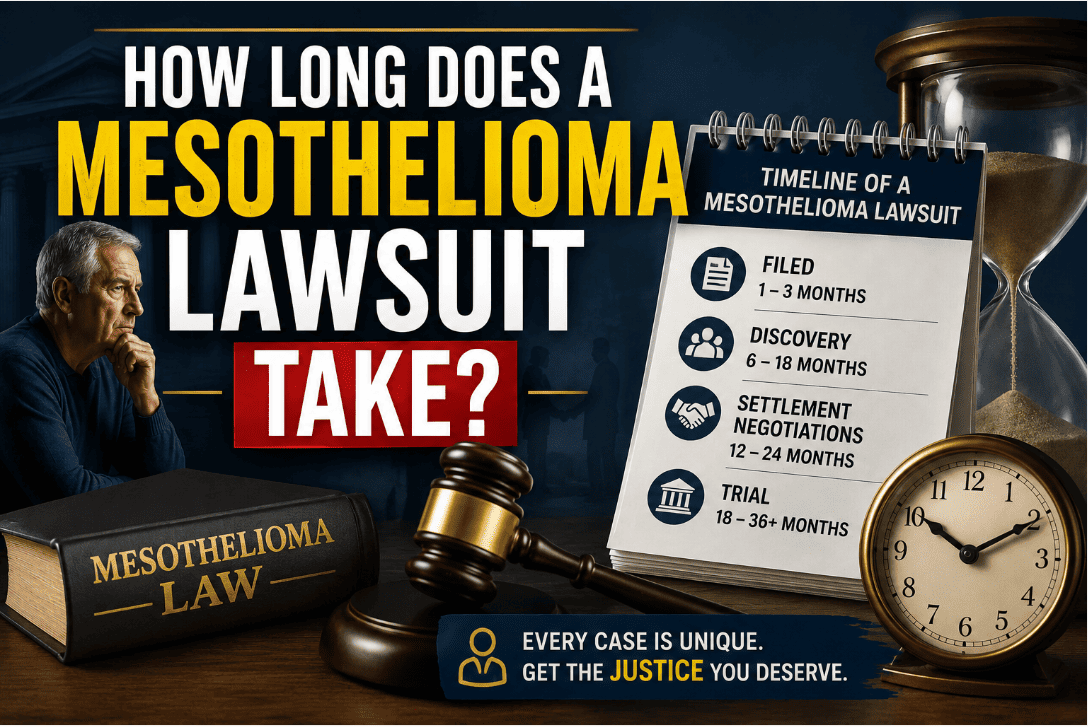
Filing a mesothelioma lawsuit is one way individuals and families seek compensation after a diagnosis linked to asbestos exposure. The process covers medical costs, lost income, and other damages, yet the timeline is rarely the same for every case. Some claims resolve in a matter of months; others take longer depending on the evidence, the number of defendants, and whether the matter settles or goes to trial. Understanding the typical stages and the factors that influence speed can help set realistic expectations.
What These Cases Involve
Mesothelioma claims are usually personal-injury actions filed by living patients or wrongful-death actions brought by surviving family members. Defendants are typically companies that manufactured, supplied, or used asbestos products. Most cases end in negotiated settlements rather than jury verdicts. Separate asbestos bankruptcy trust funds also exist for many former companies and can be pursued alongside or instead of traditional lawsuits.
Typical Stages and Approximate Time Frames
While every case differs, the process generally follows these phases:
Initial consultation and case review
After a diagnosis, an attorney reviews medical records and exposure history to determine whether a viable claim exists. This step often takes one to two weeks once documents are available.
Evidence collection and filing
The legal team gathers medical records, employment histories, product information, and any available witness statements. A formal lawsuit or trust-fund claim is then prepared and filed. This phase commonly requires one to two months, though strong initial documentation can shorten it. Trust-fund claims follow an administrative route and may move more quickly than court filings.
Discovery
Both sides exchange information, take depositions, and examine documents related to exposure and liability. Because asbestos cases often involve multiple defendants and events that occurred decades earlier, discovery can last several months to a year or more.
Negotiation and settlement
Most claims resolve during or after discovery. Settlement discussions focus on the strength of the evidence, medical impact, and economic losses. Trust-fund claims frequently conclude faster than court cases—sometimes within a few months—while traditional lawsuit settlements may take longer.
Trial (if needed)
If the parties cannot reach agreement, the case proceeds to trial. Trials are less common and can extend the overall timeline by a year or more, especially if appeals follow. Courts may grant preference or expedited scheduling when a plaintiff is terminally ill.
Overall, many settled cases conclude within roughly six months to two years. Strong evidence, fewer defendants, and the use of trust funds often produce shorter timelines. Complex multi-defendant cases or those that go to trial tend to take longer.
Factors That Affect How Long the Process Takes
Several elements influence the duration:
- Complexity of the exposure history — Cases involving multiple job sites, products, or secondary household exposure usually require more investigation.
- Strength and completeness of the evidence — Clear medical records and well-documented work histories generally support faster negotiations.
- Number of defendants — Claims against many companies can lengthen discovery and coordination.
- Jurisdiction and court schedules — Some courts move asbestos dockets more quickly than others.
- Plaintiff’s health — Terminally ill individuals may receive priority scheduling.
- Choice of legal path — Administrative trust-fund claims typically resolve faster than full lawsuits. Many people pursue both routes when the facts allow.
Trust-Fund Claims Compared with Court Lawsuits
Asbestos bankruptcy trusts operate under court-approved procedures and pay claims that meet established criteria. These administrative claims often move more quickly than traditional litigation because they bypass much of the formal discovery and trial process. Court lawsuits, by contrast, involve formal pleadings, discovery, and possible trial, which can extend the timeline. Combining both approaches is common when multiple sources of exposure exist.
Practical Steps That Can Help Move a Case Forward
- Consult an attorney experienced in asbestos litigation soon after diagnosis. Most work on a contingency-fee basis.
- Gather medical records, employment histories, and any available product or work-site information as early as possible.
- File within the applicable statute of limitations. Deadlines vary by state and typically run from the date of diagnosis or from the date the asbestos connection was reasonably discovered. Wrongful-death deadlines often begin on the date of death.
- Discuss both lawsuit and trust-fund options with counsel so that eligible claims are not overlooked.
- Maintain open communication with the legal team so requests for additional records or information can be answered promptly.
Challenges That Sometimes Lengthen the Timeline
Proving exposure that occurred many years earlier can be difficult, especially when former employers or product manufacturers no longer exist. Coordinating with numerous defendants, locating historical records, or addressing appeals after a trial can also add time. Experienced counsel familiar with asbestos product histories and trust procedures can reduce many of these delays.
What to Expect Along the Way
Early stages focus on collecting records and filing the claim. The middle phase centers on discovery and negotiation. Resolution—whether by settlement or verdict—brings the process to a close. Settlements generally result in payment within a shorter period after agreement is reached; trial verdicts may involve additional post-trial steps.
The length of a mesothelioma lawsuit depends on the specific facts of the case, the chosen legal path, and how efficiently the parties move through each stage. Acting promptly after diagnosis, documenting exposure carefully, and working with counsel who regularly handles these claims give patients and families the best chance of a timely resolution. This information is provided for educational purposes only and does not constitute legal advice. Individual timelines vary, and only a qualified attorney can evaluate a particular situation.