
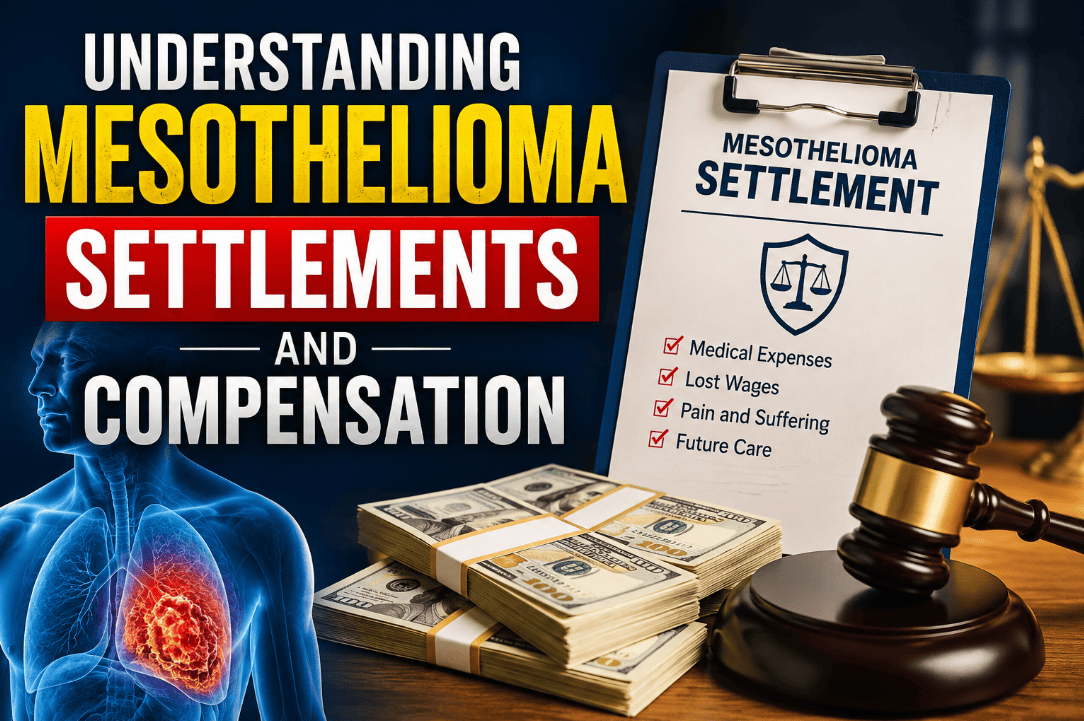
Mesothelioma is a rare, aggressive cancer most often linked to asbestos exposure. When a diagnosis is confirmed, many patients and families explore legal options to help cover medical costs, lost income, and other impacts of the disease. Settlements are one common path. This article explains how mesothelioma settlements generally work, what factors influence the amount recovered, and practical steps that can strengthen a claim.
What a Mesothelioma Settlement Involves
A settlement is a negotiated agreement that resolves a legal claim without going to trial. In mesothelioma cases, the agreement is usually reached between the person diagnosed (or surviving family members) and one or more companies connected to the asbestos exposure. The goal is to provide financial support for medical treatment, lost wages, future care needs, and the broader effects of the illness.
Most mesothelioma claims end in settlements rather than jury verdicts. Settlements offer greater certainty and often conclude more quickly than a full trial. Separate from lawsuits, many former asbestos companies created bankruptcy trust funds that pay qualifying claims through an administrative process.
Factors That Influence Settlement Value
No two cases are identical. The amount recovered depends on several key elements:
Extent and documentation of asbestos exposure
Stronger evidence of prolonged or intense exposure—especially at specific job sites or with identifiable products—generally supports a stronger claim. Exposure that occurred through multiple sources may involve more defendants and additional recovery avenues.
Medical impact of the disease
The stage of the cancer, the type of mesothelioma, the intensity of treatment required, and the overall prognosis all play a role. Higher medical costs and greater effects on daily life and life expectancy are typically considered.
Economic losses
Past and projected medical expenses, lost earnings, and the cost of ongoing care are central to calculating economic damages.
Number of responsible parties
Asbestos exposure frequently involved products from several manufacturers or worksites. Claims that identify multiple defendants can draw compensation from more than one source.
Quality of legal representation
Attorneys who regularly handle asbestos litigation understand the history of specific products, the relevant trust funds, and effective negotiation strategies. Their experience can influence both the strength of the evidence presented and the outcome of discussions with defendants.
Location of the case
State laws and local court practices differ. Some jurisdictions have procedures or precedents that affect how asbestos claims are handled.
Trust-Fund Claims Versus Lawsuits
Asbestos bankruptcy trusts operate under court-approved rules and pay claims according to set criteria and available funds. These claims are administrative rather than courtroom proceedings and often resolve faster than traditional lawsuits. Many people pursue both trust-fund claims and lawsuits at the same time when the facts support multiple avenues of recovery.
Steps That Can Strengthen a Claim
- Obtain a clear medical diagnosis supported by pathology and imaging records.
- Compile a detailed work and exposure history, including job titles, locations, products handled, and approximate dates.
- Consult an attorney experienced in mesothelioma and asbestos cases. Most work on a contingency-fee basis, so legal fees are paid only if compensation is recovered.
- File within the applicable statute of limitations. Deadlines vary by state and typically begin from the date of diagnosis or the date the connection to asbestos was reasonably discovered. Wrongful-death claims often have separate time limits that start from the date of death.
- Consider both lawsuit and trust-fund routes when appropriate. An experienced attorney can evaluate which combination best fits the individual circumstances.
Acting promptly after diagnosis helps preserve evidence and meet filing deadlines.
Typical Timeline
The process usually begins with a case evaluation that can be completed in a short period. Once retained, the attorney gathers records and files the necessary claims. Discovery and negotiation often take several months. Many cases resolve through settlement during this phase. Trust-fund claims frequently move more quickly than court cases. When a patient is seriously ill, courts may grant preference for faster scheduling.
Tax Considerations and Additional Support
Compensation intended to cover physical injury, medical expenses, and related losses is generally not treated as taxable income under federal law. Certain portions, such as interest or punitive damages, may be handled differently. Consulting a tax professional is advisable for individual situations.
Veterans who developed mesothelioma after military service may also qualify for benefits through the Department of Veterans Affairs. These benefits can often be pursued alongside private legal claims.
Moving Forward with Clear Information
Settlement amounts in mesothelioma cases vary widely because every claim rests on its own medical, exposure, and legal facts. Understanding the factors that influence recovery, gathering solid documentation, and working with counsel familiar with asbestos litigation give patients and families the best chance of securing appropriate support. Time limits make early consultation important.
This article is for educational purposes only and does not constitute legal, medical, or financial advice. Individual outcomes depend on the specific facts of each case. Only a qualified attorney can evaluate a particular situation and provide guidance tailored to it.