
Asbestos exposure in the military has been a hidden danger for decades, affecting countless U.S. veterans and leaving a lasting impact into 2025. This fire-resistant mineral, widely used in ships, barracks, and equipment from the 1930s to the 1970s, has caused serious health issues like mesothelioma, lung cancer, and asbestosis among service members. As of September 02, 2025, at 10:36 PM IST, awareness of this issue is critical for veterans and their families to access healthcare and compensation. This comprehensive article explores the history of asbestos use in the military, high-risk roles, health risks, prevention measures, and the legal and veterans’ rights available to those affected.
What is Asbestos and Its Use in the Military?
Asbestos, a group of naturally occurring minerals valued for its heat and fire resistance, was extensively used in military applications until its dangers were recognized. From the 1940s to the 1970s, it was incorporated into naval ships, aircraft, vehicles, and barracks for insulation, fireproofing, and structural strength. The U.S. Navy, in particular, relied on asbestos during World War II and the Cold War, exposing millions of personnel. When disturbed—through maintenance, repairs, or demolition—asbestos releases fibers that can be inhaled, leading to long-term health risks.
Despite regulations by the Occupational Safety and Health Administration (OSHA) and the Environmental Protection Agency (EPA), legacy asbestos in military infrastructure remains a concern in 2025, especially during decommissioning or upgrades.
High-Risk Military Roles for Asbestos Exposure
Certain military occupations exposed personnel to asbestos more than others. These include:
- Navy Personnel: Sailors and shipyard workers faced asbestos in engine rooms, boilers, and insulation on ships like destroyers and aircraft carriers.
- Marines: Stationed on asbestos-laden ships or in barracks with deteriorating materials.
- Army and Air Force Mechanics: Worked with asbestos-containing brakes, gaskets, and engine parts in vehicles and aircraft.
- Construction and Engineering Units: Built or repaired bases using asbestos insulation and cement.
- Support Staff: Clerks or cooks in older facilities risked secondary exposure from dust.
Veterans from the World War II, Korean War, and Vietnam War eras are especially vulnerable due to heavy asbestos use during those periods. In 2025, those who served on legacy ships or bases continue to face health consequences.
Health Risks of Asbestos Exposure for Veterans
Inhaling asbestos fibers can lead to:
- Mesothelioma: A cancer of the lung or abdominal lining, with a latency of 20-50 years.
- Lung Cancer: Increased risk, particularly among smokers.
- Asbestosis: Chronic lung scarring causing shortness of breath.
Symptoms include persistent cough, chest pain, fatigue, weight loss, and difficulty breathing, often appearing decades after exposure. The Department of Veterans Affairs (VA) reports that veterans account for about 30% of mesothelioma cases in the U.S., reflecting their disproportionate exposure.
Diagnosis and Treatment Options in 2025
Diagnosing asbestos-related diseases involves:
- Medical History: Detailing military service and potential exposure.
- Imaging: X-rays, CT scans, or PET scans to identify abnormalities.
- Biopsies: Confirming cancer through tissue analysis.
- Staging: Assessing disease progression.
Treatment options include:
- Surgery: Early-stage tumor removal (e.g., pleurectomy).
- Chemotherapy: Drugs like pemetrexed to reduce cancer spread.
- Radiation: Targeted therapy for symptom relief.
- Immunotherapy: New treatments like durvalumab show promise in trials.
Prognosis varies, with median survival of 12-21 months, though early detection improves outcomes. Veterans can access VA healthcare for monitoring and treatment.
Prevention and Safety Measures
Preventing further exposure in 2025 is challenging but vital:
- Training: Military personnel should receive asbestos awareness education.
- Protective Gear: Use NIOSH-approved respirators and suits during maintenance.
- Inspections: Test equipment and buildings for asbestos before work.
- Safe Practices: Wet methods and containment to minimize dust.
- Health Screening: Regular lung exams for at-risk veterans.
The VA and OSHA emphasize compliance, but legacy exposure requires ongoing vigilance.
Veterans’ Rights and Compensation Options
Veterans exposed to asbestos have specific rights and benefits:
- VA Disability Benefits: Compensation for service-connected illnesses, ranging from $150-$3,000 monthly based on disability rating.
- VA Health Care: Free or low-cost treatment through VA medical centers.
- Asbestos Trust Funds: Over $30 billion available, with payouts averaging $300,000-$400,000.
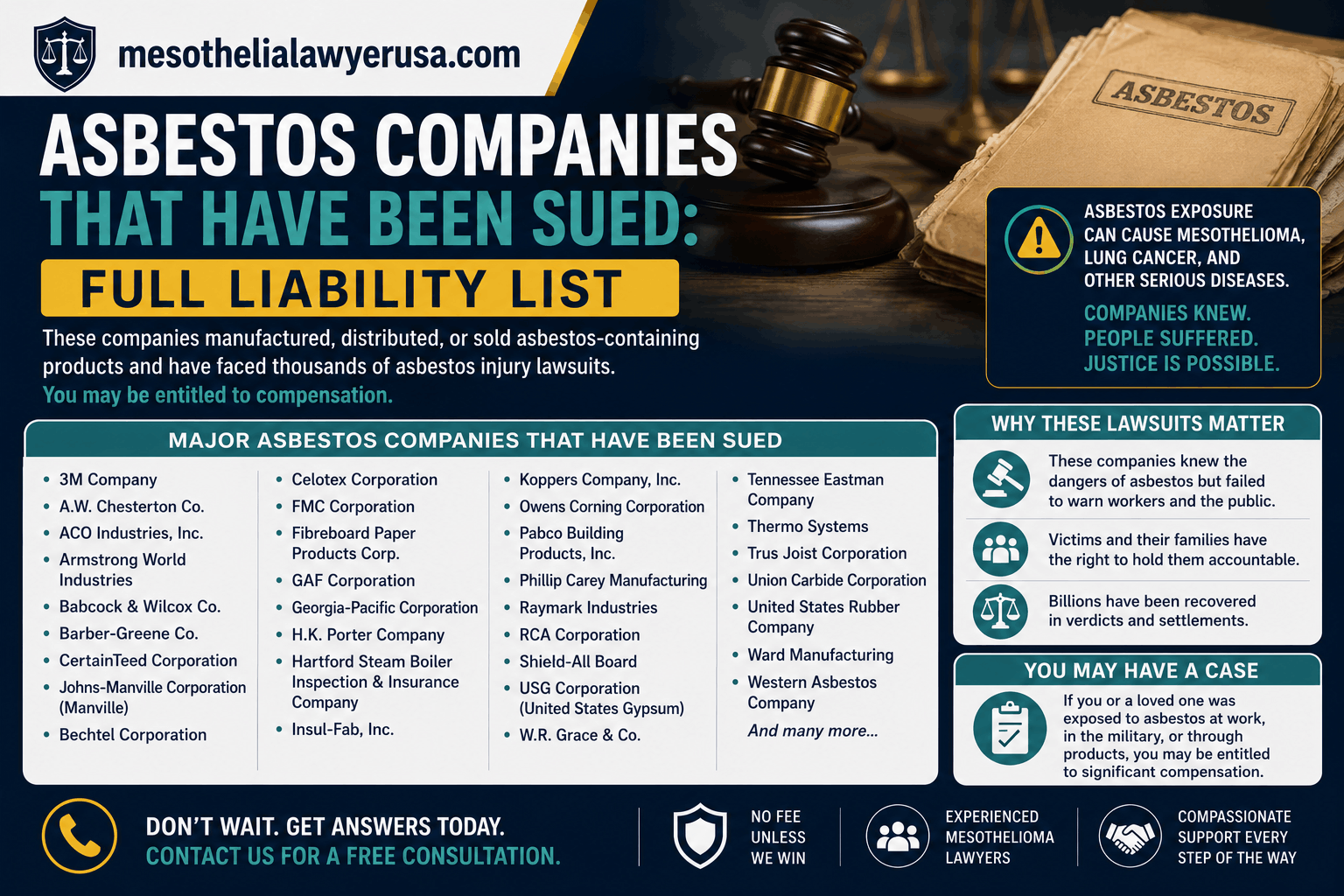
- Lawsuits: Personal injury or wrongful death claims against manufacturers, averaging $1M-$1.4M settlements.
Filing requires proof of service and exposure, often supported by military records. Statutes of limitations (1-3 years from diagnosis) apply, so timely action is essential. Legal action targets private companies, not the government, preserving VA benefits.
Historical Context and Current Challenges
During World War II, over 4 million shipyard workers and sailors were exposed, with usage peaking through the 1970s. The military prioritized durability over safety, and many veterans are now facing diagnoses. In 2025, challenges include tracing exposure from decades-old service and ensuring veterans access benefits amidst bureaucratic delays.
Steps to Take if Exposed
- Document Service: Gather military records (DD-214) and exposure details.
- Seek Medical Evaluation: Visit a VA doctor or specialist for screening.
- File Claims: Apply for VA benefits or consult a lawyer for lawsuits/trust funds.
- Join Support Groups: Connect with organizations like the Asbestos Disease Awareness Organization (ADAO).
Mesothelioma Lawyer USA can assist with free case reviews tailored to veterans.
Conclusion: Supporting Veterans Affected by Asbestos
Asbestos exposure in the military remains a pressing issue in 2025, with veterans bearing the brunt of past negligence. Understanding risks, seeking early diagnosis, and leveraging rights to compensation can improve quality of life. Act promptly to secure benefits and hold accountable those responsible.
This article is for informational purposes only and not a substitute for professional medical or legal advice.