Mesothelioma, a devastating cancer caused by asbestos exposure, poses a significant risk to factory and industrial workers in the United States, with effects lingering into 2025. Asbestos, once a common material in manufacturing for its heat resistance and durability, has left a legacy of health hazards in factories and industrial settings. With approximately 3,000 new cases diagnosed annually, occupational exposure remains a leading cause, particularly among workers in older facilities. This detailed article explores the risks faced by factory and industrial workers, the sources of asbestos exposure, symptoms to recognize, prevention strategies, and legal options for compensation as of September 02, 2025, at 10:55 PM IST.
What is Mesothelioma?
Mesothelioma is a rare cancer that affects the mesothelium, the protective lining around the lungs, abdomen, or heart. The primary cause is inhaling or ingesting asbestos fibers, which can trigger cellular changes over 20 to 50 years. Pleural mesothelioma, impacting the lungs, is the most common type among industrial workers, followed by peritoneal mesothelioma in the abdomen. Early detection is challenging due to its long latency, but treatments like surgery and chemotherapy offer hope when identified early.
Why Factory and Industrial Workers Are at High Risk
Factory and industrial workers face elevated mesothelioma risks due to the historical use of asbestos in manufacturing processes. From the 1930s to the 1970s, asbestos was integral to producing textiles, cement, chemicals, and machinery. Even after regulations reduced its use, older plants and equipment still contain asbestos, exposing workers during maintenance, upgrades, or shutdowns. Key risk factors include:
- Direct Handling of Asbestos Materials: Workers mixing asbestos into products or handling raw fibers.
- Poor Ventilation: Factories often lack adequate airflow, trapping dust.
- Lack of Early Safety Protocols: Pre-1980s workers rarely used protective gear.
- Secondary Exposure: Family members may inhale fibers brought home on clothing.
In 2025, the risk persists as industries phase out legacy equipment, requiring careful management.
Common Asbestos Sources in Factory and Industrial Settings
Asbestos was embedded in various industrial materials, posing ongoing hazards:
- Insulation: Used in boilers, ovens, and pipes to retain heat.
- Textile Machinery: Asbestos fabrics and belts in mills and factories.
- Cement Products: Asbestos-reinforced panels and pipes.
- Gaskets and Seals: Found in machinery and valves.
- Protective Clothing: Fire-resistant gear for workers.
During cutting, grinding, or repair, these materials release dust, endangering workers without proper safeguards.
Health Risks for Factory and Industrial Workers
Exposure to asbestos fibers can lead to:
- Mesothelioma: Cancer with a poor prognosis, often diagnosed late.
- Lung Cancer: Elevated risk, especially with smoking.
- Asbestosis: Permanent lung scarring causing breathlessness.
Symptoms include chronic cough, chest or abdominal pain, fatigue, weight loss, and fluid buildup, typically appearing decades after exposure. The National Institute for Occupational Safety and Health (NIOSH) notes that industrial workers have a mesothelioma incidence 2-4 times higher than the general population.
Diagnosis and Treatment Options in 2025
Diagnosing mesothelioma involves:
- Medical History: Reviewing factory work and exposure duration.
- Imaging: X-rays, CT, or PET scans to detect tumors.
- Biopsies: Confirming cancer via tissue analysis.
- Staging: Guiding treatment based on spread.
Treatment options include:
- Surgery: Removing affected tissue in early stages.
- Chemotherapy: Drugs like cisplatin to slow progression.
- Radiation: Targeting specific areas.
- Immunotherapy: Advances like ipilimumab offer new hope.
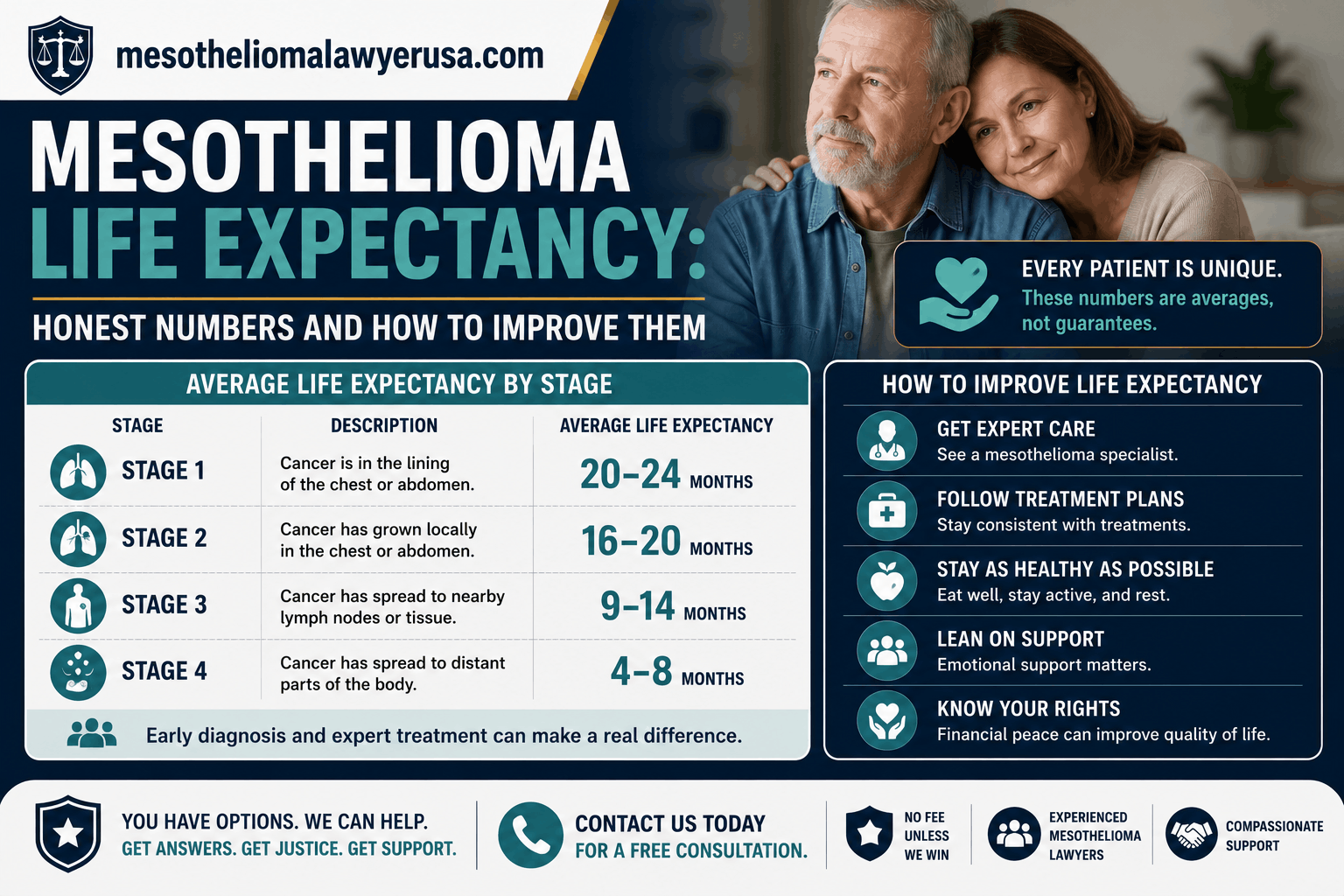
Median survival ranges from 12-21 months, but early intervention can extend life expectancy.
Prevention Strategies for Factory and Industrial Workers
In 2025, prevention remains critical:
- Training: OSHA-mandated asbestos awareness programs.
- Protective Equipment: NIOSH-approved respirators and suits.
- Engineering Controls: Wet methods and ventilation systems.
- Regular Inspections: Testing equipment and facilities for asbestos.
- Health Monitoring: Annual lung screenings for at-risk employees.
Employers must comply with EPA and OSHA regulations to minimize liability.
Legal Options for Affected Workers
If exposure leads to illness, compensation is available:
- Asbestos Trust Funds: Over $30 billion, with average payouts of $300,000-$400,000.
- Lawsuits: Personal injury or wrongful death claims, averaging $1M-$1.4M settlements.
- Workers’ Compensation: Covers medical costs, though often limited.
Statutes of limitations (1-3 years from diagnosis) require prompt action. Mesothelioma Lawyer USA connects workers with attorneys for free case evaluations.
Historical Context and Current Challenges
From the 1940s to 1970s, factories churned out asbestos products, exposing millions of workers. Many companies knew of the risks but prioritized production, leading to lawsuits and trust funds. In 2025, challenges include identifying exposure sources from decades past and ensuring compliance as industries modernize.
Steps to Take if Exposed
- Document Work History: Record job sites, tasks, and exposure periods.
- Seek Medical Advice: Visit a doctor for lung screening.
- File Claims: Apply for compensation through lawyers or trust funds.
- Join Support Networks: Engage with groups like the Mesothelioma Applied Research Foundation.
Conclusion: Protecting Factory and Industrial Workers
Mesothelioma in factory and industrial workers remains a pressing concern in 2025 due to legacy asbestos. Awareness of risks, proactive prevention, and legal recourse are vital for affected individuals. Act within statutes of limitations to secure compensation.
This article is for informational purposes only and not a substitute for professional medical or legal advice.