Mesothelioma is a rare, aggressive cancer that forms in the thin protective tissue covering the lungs, abdomen, heart, and other organs. Nearly all cases trace back to asbestos exposure, often decades earlier. About 3,000 people in the United States receive this diagnosis each year. Knowing the warning signs, who faces the highest risk, and how the disease progresses gives patients and families a clearer path to earlier medical care and potential legal options.
What Is Mesothelioma?
Mesothelioma starts in the mesothelium, the membrane that lines many internal organs and body cavities. The cancer grows slowly at first and often stays hidden until it reaches later stages. That delayed appearance makes it harder to catch early.
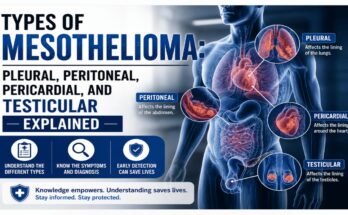
Doctors classify mesothelioma by the area it affects:
- Pleural mesothelioma develops in the lining around the lungs. It accounts for roughly three-quarters of all cases.
- Peritoneal mesothelioma forms in the lining of the abdomen and makes up 10 to 20 percent of diagnoses.
- Pericardial mesothelioma involves the lining around the heart. It is extremely uncommon, representing less than 1 percent of cases.
- Testicular mesothelioma affects the lining of the testicles and is the rarest form.
Each type brings its own set of diagnostic and treatment challenges, yet all share a strong link to asbestos fibers that become trapped in the mesothelium.
How Asbestos Causes Mesothelioma
Asbestos is a group of naturally occurring minerals once valued for heat resistance and strength. Manufacturers used it widely in insulation, roofing, brake pads, pipes, and shipbuilding materials. When tiny asbestos fibers are inhaled or swallowed, they can lodge in the mesothelium. Over time the body reacts with chronic inflammation and scarring. In some people those changes eventually lead to cancerous growth.
Main Ways People Encounter Asbestos
Workplace exposure has historically posed the greatest danger. Construction workers, shipyard employees, miners, automotive mechanics, and factory workers often handled asbestos-containing products daily before stronger regulations took hold in the late 20th century.
Environmental exposure can occur for people who live near old asbestos mines or processing plants. Natural deposits in parts of California, Montana, and other regions have also raised local risk levels.
Secondary, or “take-home,” exposure happens when workers carry fibers home on clothes, hair, or tools. Spouses and children who later develop mesothelioma often trace their illness to this route.
Other possible factors—prior radiation therapy, certain viruses such as SV40, or rare genetic changes—appear in a small number of cases, but the evidence connecting them is far weaker than the evidence for asbestos.
One of the most difficult features of mesothelioma is its long latency period. Symptoms typically appear 20 to 50 years after the first exposure. That gap makes it harder to connect the disease to a specific workplace or product, yet it also underscores why detailed occupational and environmental histories matter so much during diagnosis.
Recognizing the Symptoms
Early symptoms of mesothelioma often look like more common illnesses such as pneumonia, bronchitis, or digestive problems. As a result, many people receive the correct diagnosis only after the cancer has advanced.
Pleural Mesothelioma
- Ongoing cough
- Shortness of breath
- Chest pain or a feeling of tightness
- Fatigue and unexplained weight loss
- Fluid collecting around the lungs (pleural effusion)
Peritoneal Mesothelioma
- Abdominal pain or swelling
- Nausea, vomiting, or changes in bowel habits
- Loss of appetite and weight loss
- Fluid buildup in the abdomen (ascites)
Pericardial Mesothelioma
- Heart palpitations
- Chest pain
- Trouble breathing
- Irregular heartbeat
Testicular Mesothelioma
- Swelling or a lump in the testicle
- Pain or discomfort in the groin
Later-stage disease may bring severe fatigue, anemia, and night sweats. Anyone who notices these symptoms—especially with a known history of asbestos exposure—should see a doctor promptly. Imaging studies and tissue biopsies remain the most reliable ways to confirm the diagnosis.
Who Faces the Highest Risk?
Anyone exposed to asbestos carries some risk, but certain factors raise the likelihood of developing mesothelioma.
Most people diagnosed are older than 65. The long latency period simply means the disease often appears later in life. Men receive the diagnosis more often than women, largely because men held a larger share of jobs in high-exposure industries. Women and younger adults more commonly develop the disease through secondary household exposure.
Smoking does not cause mesothelioma on its own. However, it can worsen lung damage in someone already exposed to asbestos and may increase the chance of pleural disease.
A small number of people carry inherited mutations, such as changes in the BAP1 gene, that appear to heighten susceptibility. Family history of certain cancers can also play a limited role.
The intensity and length of exposure matter. Heavy, prolonged contact carries the greatest risk, yet even shorter, intense exposures have produced mesothelioma years later.
Older buildings still contain asbestos materials. Disturbing those materials during renovation without proper safeguards can release fibers into the air. Homeowners and contractors who suspect asbestos should hire certified professionals for testing and removal rather than attempt the work themselves. The U.S. Environmental Protection Agency offers clear guidance on safe handling.
How Doctors Diagnose and Stage Mesothelioma
Diagnosis usually follows several steps. Physicians begin with a careful medical history that includes any past asbestos contact and a physical exam. Imaging—chest X-rays, CT scans, MRI, or PET scans—helps locate abnormal tissue or fluid. A biopsy provides the definitive answer by examining cells under a microscope. Blood tests that measure certain biomarkers, such as mesothelin, can support the diagnosis but are not conclusive by themselves.
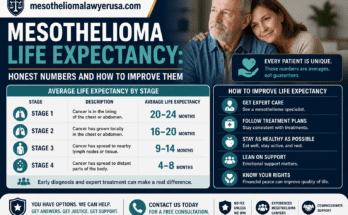
Once mesothelioma is confirmed, doctors assign a stage from I to IV based on how far the cancer has spread. Earlier stages generally open more treatment possibilities, which is why timely evaluation after symptoms appear remains so important.
Current Treatment Approaches
No cure for mesothelioma exists yet, but several treatments can control symptoms, slow growth, and improve quality of life. Common options include:
- Surgery to remove as much affected tissue as possible (for example, pleurectomy in pleural cases)
- Chemotherapy, often with drugs such as cisplatin
- Radiation therapy aimed at shrinking tumors or relieving pain
- Immunotherapy agents, including pembrolizumab, that help the immune system target cancer cells
Many patients receive a combination of these approaches. Clinical trials continue to test newer therapies. For advanced disease, palliative care focuses on comfort and symptom management.
Prevention and Legal Options
The surest way to prevent mesothelioma is to avoid asbestos exposure. Workers in remaining high-risk jobs should use appropriate protective equipment. Building owners and managers should follow established rules for identifying and managing asbestos-containing materials.
Although the United States has never enacted a complete ban on asbestos, strict regulations limit its use and require safe handling practices.
People diagnosed with mesothelioma often have legal avenues available. Many companies continued to use asbestos long after the health risks became known and failed to warn workers adequately. Compensation may come through personal-injury lawsuits or asbestos trust funds established by bankrupt companies. These funds can help cover medical expenses, lost income, and other costs. Consulting an experienced mesothelioma attorney can clarify eligibility and next steps.
If you or a family member has a history of asbestos exposure, talk with a physician about screening and keep records of past jobs and possible contact. Early medical attention and informed legal guidance remain the strongest tools available for managing the impact of this disease. This information is educational and does not replace personalized medical or legal advice.