
Mesothelioma, a rare and aggressive cancer primarily caused by asbestos exposure, affects both men and women, but women face distinct challenges and risks that often go underrecognized. In 2025, with increased awareness and research, it’s crucial to address how the disease manifests differently in women, influenced by factors like exposure patterns, diagnostic delays, and biological differences. While men historically dominate occupational exposure cases, women are disproportionately affected by secondary or environmental exposure, leading to unique hurdles in diagnosis, treatment, and emotional well-being. This comprehensive article explores the specific risks and challenges women encounter with mesothelioma, drawing from expert insights, recent studies, and practical advice to empower women, their families, and healthcare providers.
Understanding Mesothelioma: A Quick Overview
Mesothelioma originates in the mesothelium, the thin membrane lining internal organs such as the lungs (pleural mesothelioma), abdomen (peritoneal), heart (pericardial), or testicles (testicular). The primary cause is asbestos exposure, a mineral once widely used in construction, insulation, and manufacturing for its heat-resistant properties. When asbestos fibers are inhaled or ingested, they can lodge in the mesothelium, causing inflammation, scarring, and eventually cancerous cell growth over decades—typically 20 to 50 years after exposure.
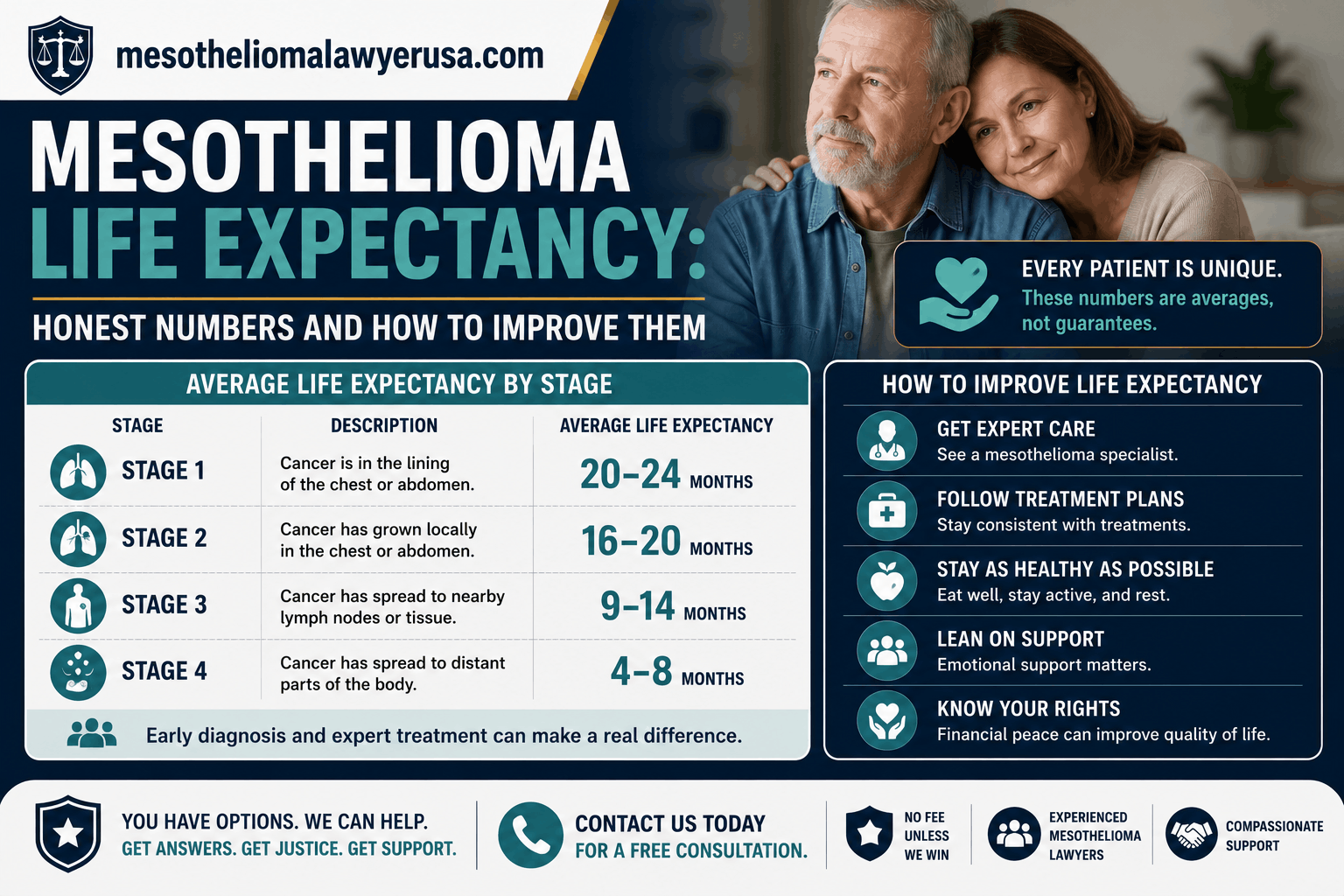
Symptoms often include shortness of breath, chest or abdominal pain, fatigue, unexplained weight loss, and swelling. Diagnosis involves imaging scans like CT or PET, biopsies, and blood tests for biomarkers such as mesothelin. Treatments include surgery, chemotherapy (e.g., cisplatin and pemetrexed), radiation, and emerging immunotherapies like nivolumab. The median survival is 12 to 21 months, but early detection and personalized care can improve outcomes.
How Mesothelioma Affects Women Differently
While mesothelioma is more common in men due to higher occupational exposure rates, women represent about 22% of all cases, often from non-occupational sources. Research shows the disease manifests differently in women, with a longer latency period between exposure and onset, and potentially better overall survival rates. Women are diagnosed at a younger age on average and tend to have less lifetime asbestos exposure, which may contribute to a more favorable prognosis.
However, these differences come with challenges. Women may experience a rare presentation of the disease, leading to misdiagnosis as other conditions like ovarian cancer or endometriosis, delaying critical treatment. A 2022 study found it takes 65% longer for women to receive a mesothelioma diagnosis—152 days compared to 92 days for men—due to atypical symptoms and gender biases in healthcare. Peritoneal mesothelioma, which affects the abdominal lining, is more common in women and can mimic gynecological issues, further complicating identification.
Unique Risks for Women: Beyond Occupational Exposure
Traditionally, mesothelioma is associated with male-dominated industries like construction and mining, but women’s risks often stem from different sources:
- Secondary (Take-Home) Exposure: Women are more likely to be exposed through family members bringing asbestos fibers home on clothing, hair, or tools. This “take-home” exposure has led to a rise in cases among spouses and children of workers, with women comprising a significant portion. For example, laundering contaminated clothes releases fibers into the air, increasing inhalation risk.
- Environmental and Domestic Exposure: Living near asbestos mines or factories, or handling household products like talc-based cosmetics (potentially contaminated with asbestos), elevates risks for women. In regions with natural asbestos deposits, environmental exposure affects communities disproportionately. A recent study noted an increasing trend in female mesothelioma incidence, suggestive of rising environmental exposure to asbestos.
- Biological Factors: Some research suggests women may have an increased risk from the same levels of asbestos exposure as men, possibly due to hormonal or genetic differences. For instance, the relative risk for spontaneous malignant peritoneal mesothelioma is higher in women.
In 2025, with a rise in diagnoses linked to asbestos, women are facing new challenges, including medical misdiagnosis that leads to delays in both treatment and legal action.
Unique Challenges Faced by Women with Mesothelioma
Women encounter specific obstacles that can impact their journey with the disease:
- Diagnostic Delays and Misdiagnosis: Symptoms in women are often attributed to less serious conditions, such as respiratory infections or hormonal issues, prolonging the time to accurate diagnosis. This delay can allow the cancer to advance, reducing treatment options and survival chances.
- Treatment Disparities: Women may respond differently to therapies due to biological factors, with some studies showing better overall survival but challenges in accessing clinical trials or specialized care. Hormonal differences might influence treatment efficacy, requiring tailored approaches.
- Emotional and Social Stigma: Women often juggle caregiving roles, adding emotional strain. Societal expectations can exacerbate feelings of guilt or isolation, with less focus on women’s occupational histories in medical evaluations.
- Legal and Compensation Hurdles: Proving exposure is harder for women with non-occupational cases, potentially affecting compensation from asbestos trust funds or lawsuits. However, secondary exposure claims are increasingly successful, with average settlements of $1-1.4 million.
- Reproductive Health Concerns: For younger women, mesothelioma can impact fertility or pregnancy, requiring specialized gynecological oncology support.
Addressing these challenges requires gender-specific research and awareness campaigns, as highlighted in recent studies on mortality trends in American women.
Symptoms and Diagnosis in Women
Symptoms may present differently in women, with peritoneal mesothelioma more common, leading to abdominal bloating, digestive issues, and pelvic pain—often mistaken for ovarian or uterine problems. Pleural types cause respiratory symptoms like coughing and chest discomfort.
Diagnosis involves imaging (CT scans), biopsies, and blood tests for markers like CA-125, which can overlap with gynecological cancers. Women should advocate for thorough evaluations, especially with a family history of asbestos exposure.
Treatment Options and Prognosis for Women
Treatments are similar for both genders: surgery (pleurectomy or peritonectomy), chemotherapy, radiation, and immunotherapy. However, women often have a better prognosis, with longer survival rates due to earlier diagnosis and less aggressive disease forms. In 2025, targeted therapies based on genetic markers like BAP1 are showing promise, particularly for hereditary cases more common in women.
Median survival is 12-21 months overall, but women may exceed this, emphasizing the need for personalized care.
Prevention and Safety Tips for Women
Prevention focuses on avoiding asbestos:
- Be Aware of Secondary Exposure: Encourage family members in high-risk jobs to change clothes and shower before coming home.
- Home Inspections: Test older homes for asbestos in insulation or flooring; hire professionals for removal.
- Product Caution: Avoid talc products unless asbestos-free; check labels for cosmetics and baby powder.
- Environmental Vigilance: If living near asbestos sites, use air filters and support local cleanup efforts.
- Health Monitoring: Women with exposure history should undergo regular screenings, including CT scans.
Legal Support and Compensation for Women
Women can pursue compensation through asbestos trust funds ($30+ billion available) or lawsuits, with settlements averaging $1-1.4 million. Proving secondary exposure requires documentation like family work records. In 2025, courts are increasingly recognizing these claims, providing funds for treatment and lost income.
Conclusion: Empowering Women Against Mesothelioma
Women and mesothelioma present unique challenges and risks, from secondary exposure and diagnostic delays to better prognoses in some cases. In 2025, increased research and awareness are bridging gaps, but vigilance remains key. By understanding these differences, advocating for proper care, and exploring legal options, women can navigate the disease more effectively.
This article is for informational purposes only and not a substitute for professional medical or legal advice.