Asbestos once seemed like an industrial miracle. Its resistance to heat, fire, and corrosion made it valuable for insulation, construction materials, shipbuilding, and countless other applications. For much of the twentieth century it was woven into the fabric of American industry and infrastructure. Decades later, the same material is recognized as a major cause of serious disease, including mesothelioma, lung cancer, and asbestosis.
The story of asbestos in the United States is one of rapid adoption, delayed recognition of harm, regulatory response, and a long tail of residual risk. Understanding that history helps explain why cases of asbestos-related disease continue to appear and why careful handling of older materials remains necessary.
Early Adoption and Industrial Expansion
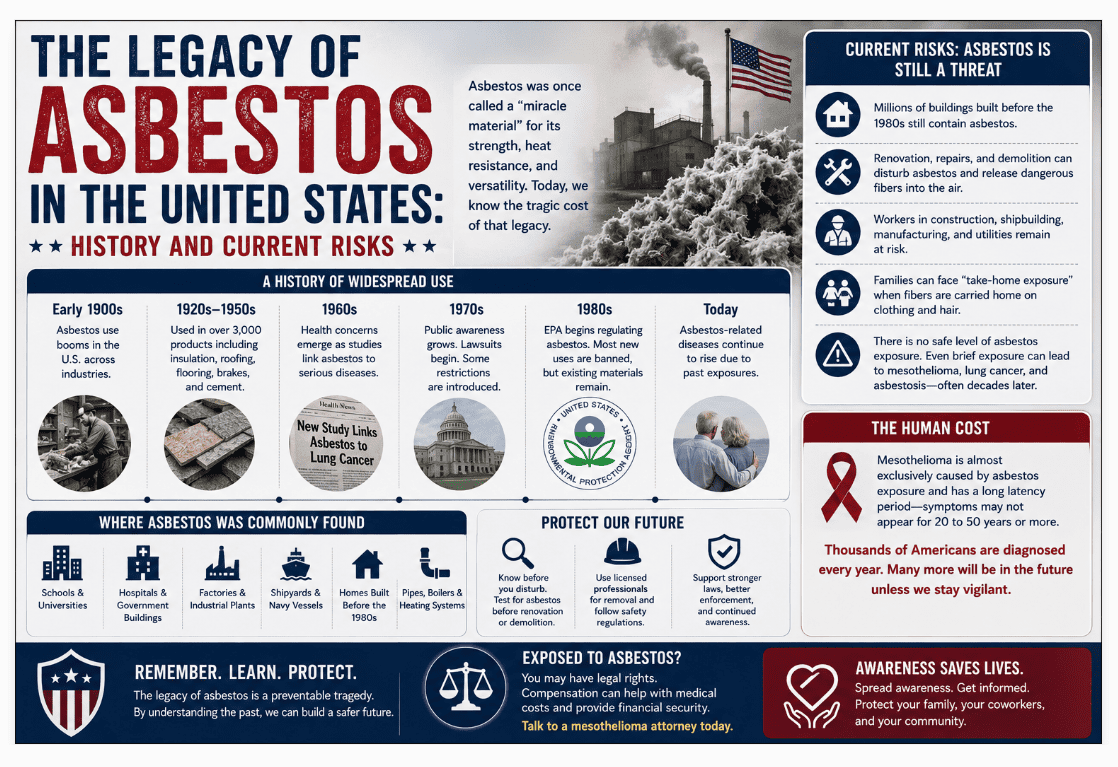
Asbestos mining and use in the United States expanded significantly in the late nineteenth and early twentieth centuries. Deposits in several states supplied a growing market. Manufacturers valued the mineral for pipe insulation, fireproofing sprays, cement products, roofing, flooring, brake linings, and many other applications.
Demand rose sharply during the world wars. The military used large quantities for ship insulation, boiler coverings, and protective equipment. After the wars, suburban growth and industrial expansion kept consumption high through the 1950s and 1960s. Asbestos was inexpensive, effective, and widely regarded as safe.
During this period, some company physicians and industry researchers already had evidence of respiratory problems among workers. Early studies from Europe and limited U.S. observations noted lung scarring and other damage. These findings received little public attention at the time, and protective measures remained minimal in many workplaces.
Growing Scientific Evidence and Public Awareness
The modern understanding of asbestos hazards took shape in the 1960s. Research led by Dr. Irving Selikoff and colleagues at Mount Sinai Hospital demonstrated clear links between asbestos exposure and asbestosis, lung cancer, and mesothelioma. Their work showed that the risk extended beyond the heaviest industrial exposures and that the diseases could appear decades after contact with the fibers.
Public and regulatory attention increased through the 1970s. The newly formed Occupational Safety and Health Administration established the first federal exposure limits. The Environmental Protection Agency classified asbestos as a hazardous air pollutant and moved to restrict certain high-risk uses, such as spray-applied insulation. Worker protections, warning labels, and gradual phase-outs of many applications followed.
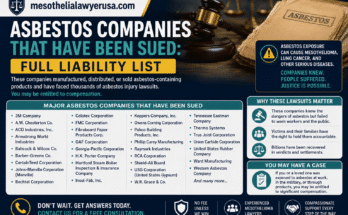
Litigation also grew. Workers and families filed claims against manufacturers and employers. Several major companies entered bankruptcy, and courts required the creation of asbestos personal-injury trusts to compensate present and future claimants. These trusts continue to operate and remain an important source of recovery for many people diagnosed with asbestos-related disease.
The Health Consequences
Asbestos fibers are microscopic and durable. When inhaled or swallowed they can lodge in the lungs or other tissues and remain for decades. The resulting chronic inflammation contributes to three main diseases:
- Asbestosis, a progressive scarring of the lung tissue that causes breathing difficulty
- Lung cancer, with risk significantly increased by the combination of asbestos and smoking
- Mesothelioma, a cancer of the lining of the lungs, abdomen, or other organs that is strongly associated with asbestos
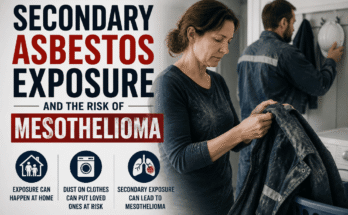
Mesothelioma in particular has a long latency period, often 20 to 50 years. This delay explains why diagnoses continue to occur long after many uses of asbestos were restricted. Occupational exposure accounts for the majority of cases, yet secondary exposure—fibers brought home on clothing—and environmental contact have also produced disease.
Residual Risks That Persist Today
Although new commercial uses of asbestos have been sharply limited, the material remains present in millions of older buildings, schools, industrial facilities, and infrastructure. Insulation, floor tiles, ceiling materials, pipe coverings, and certain cement products installed decades ago can still contain asbestos.
The primary risk today arises when these materials are disturbed. Renovation, demolition, maintenance work, or damage from storms and fires can release fibers into the air. Workers in construction, abatement, and building maintenance face the highest ongoing occupational risk if proper controls are not used. Building occupants can also be exposed during poorly managed projects.
Natural asbestos deposits exist in some regions of the United States. Activities that disturb soil or rock in those areas can generate dust containing the fibers. Wildfires that burn structures containing asbestos have raised additional concerns about short-term environmental release.
Limited imports of asbestos for specific industrial processes have continued under regulation, though overall volumes are far lower than in peak decades. Occasional contamination of consumer products has also been documented, reinforcing the need for ongoing vigilance and testing.
Practical Steps to Reduce Current Risk
Most asbestos-containing materials that remain undisturbed and in good condition present low immediate risk. Problems arise when fibers become airborne.
Before renovating or demolishing older structures, have suspect materials tested by accredited professionals. If asbestos is present, use licensed abatement contractors who follow containment, wetting, and proper disposal procedures. Do-it-yourself removal is strongly discouraged because improper handling can increase exposure.
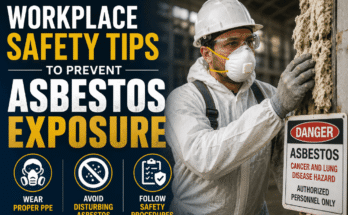
In workplaces, employers must comply with current exposure limits, provide appropriate respirators and protective clothing, train workers, and monitor air quality when asbestos work is performed. Hygiene practices that prevent fibers from leaving the worksite also protect family members from secondary exposure.
Homeowners and building managers can reduce risk by maintaining materials in place when they are intact, addressing water damage promptly, and avoiding sanding, cutting, or breaking known asbestos products.
Legal and Support Context
People diagnosed with mesothelioma or other asbestos-related diseases may be eligible for compensation through asbestos bankruptcy trusts, civil claims against solvent companies, or veterans’ benefits when exposure occurred during military service. Time limits apply, so early consultation with experienced counsel is important.
Medical care, symptom management, and supportive services remain central for those already affected. Ongoing research continues to improve treatment options and understanding of the diseases.
Frequently Asked Questions
Is asbestos still used in the United States?
New uses have been heavily restricted. Most remaining risk comes from materials installed decades ago that are still present in buildings and infrastructure.
When is asbestos most dangerous?
The greatest risk occurs when materials are disturbed and fibers become airborne. Intact materials that are left alone generally pose much lower risk.
Can family members develop disease without working with asbestos?
Yes. Secondary exposure from fibers carried home on work clothing has caused mesothelioma and other illnesses in spouses and children.
What should I do if I suspect asbestos in my home?
Do not disturb the material. Hire a qualified inspector to test samples and, if necessary, a licensed abatement contractor for removal or encapsulation.
Are there still legal options for people diagnosed with asbestos-related disease?
Yes. Asbestos trust funds and civil claims remain available in many cases. Deadlines vary by state, so timely legal advice is important.
Does asbestos cause only mesothelioma?
No. It is also linked to asbestosis and lung cancer. Smoking further increases lung-cancer risk in people with asbestos exposure.
How long after exposure can disease appear?
Latency periods of 20 to 50 years are common, which is why cases continue to be diagnosed today from exposures that occurred many years ago.
Internal and External Linking Suggestions
Internal links:
- Link “mesothelioma” to a detailed overview of the disease and its treatment.
- Link “asbestos trust funds” to an explanation of compensation options.
- Link “secondary exposure” to information for family members.
- Link “prevention and safe handling” to practical guidance for homeowners and workers.
External authoritative sources:
- Environmental Protection Agency pages on asbestos in homes, schools, and the environment.
- Occupational Safety and Health Administration standards and guidance.
- Centers for Disease Control and Prevention information on asbestos-related diseases.
- Agency for Toxic Substances and Disease Registry toxicological profiles.
- National Cancer Institute resources on asbestos and cancer risk.
Closing Perspective
Asbestos shaped much of twentieth-century American industry and construction. Its useful properties came at a high human cost that became clear only after decades of widespread use. Regulations have greatly reduced new exposures, yet the material remains embedded in older buildings and infrastructure.
The continuing task is careful management of what is already in place: proper identification, professional handling when disturbance is necessary, and protection of workers and families. For those already harmed, medical care and available compensation pathways provide important support. Learning from this history remains the best way to limit further injury.
This article is for educational purposes only. It does not replace professional medical, legal, or environmental advice. Individuals with concerns about exposure or disease should consult qualified experts.