A mesothelioma diagnosis often arrives wrapped in fear and confusion. Online searches, well-meaning friends, and outdated information can paint a picture that feels more hopeless than the current reality. In 2026, medical progress and clearer legal pathways have changed the landscape, yet old myths still circulate. Clearing them up helps patients and families make better decisions about care, screening, and financial support.
This guide addresses the most common misconceptions with current evidence. It draws from medical guidelines, clinical trial updates, and established compensation systems so readers can move forward with accurate information rather than anxiety.
Myth 1: Mesothelioma Is Caused Only by Asbestos
Many people assume asbestos is the sole cause. The disease is so tightly linked to the mineral that the connection feels absolute.
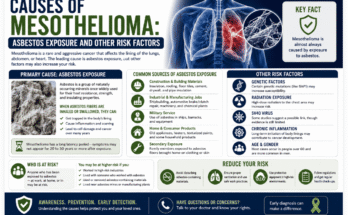
The reality: Asbestos exposure accounts for the large majority of cases—roughly 80 percent or more in men with a clear occupational history. When people inhale or ingest the microscopic fibers, the particles can lodge in the mesothelium, the thin protective lining around the lungs, abdomen, heart, or testes. Over decades the fibers trigger chronic inflammation and genetic changes that can lead to cancer.
Other factors play a role in a smaller share of cases. High-dose radiation therapy given for earlier cancers raises risk years later. Certain rare mineral fibers, most notably erionite found in specific geologic regions such as parts of Turkey and Mexico, are potent carcinogens. Inherited mutations in the BAP1 gene increase susceptibility; people who carry these mutations and later encounter even modest asbestos exposure face elevated odds. Chronic inflammation from other sources has also been examined, though the evidence is thinner.
The practical takeaway is simple. Anyone with a history of asbestos contact should stay alert to symptoms, but the absence of known occupational exposure does not completely rule out the disease. Secondary exposure through a family member’s work clothes or living near former industrial sites still matters.
Myth 2: Mesothelioma Is Always Fatal Within a Few Months
The aggressive reputation of the cancer leads many to believe diagnosis equals only months of life.
The reality: Median survival for pleural mesothelioma historically fell in the 12-to-21-month range, yet averages hide wide variation. Stage at diagnosis, cell type (epithelioid, sarcomatoid, or biphasic), overall health, and treatment all influence outcomes. Untreated disease often progresses faster, with median survival closer to six to eight months. With modern care the picture improves.
Immunotherapy has shifted the numbers. The CheckMate 743 trial of nivolumab plus ipilimumab produced a median overall survival of 18.1 months versus 14.1 months with chemotherapy alone. A 2026 five-year update showed 14 percent of patients on the immunotherapy combination still alive at five years, compared with 6 percent on chemotherapy. Non-epithelioid cases, traditionally harder to treat, saw the largest relative gain. Pembrolizumab combined with chemotherapy has also shown benefit and received regulatory approval for unresectable disease.
Peritoneal mesothelioma often carries a better outlook when patients are candidates for cytoreductive surgery plus heated intraperitoneal chemotherapy (HIPEC). Selected series report five-year survival rates between 37 and 69 percent. Early-stage pleural disease treated with multimodal approaches, including the SMART protocol of short-course radiation followed by surgery, has produced median survivals exceeding three years in carefully chosen patients at specialized centers.
Palliative care remains essential for symptom control regardless of stage. Better management of pain, breathlessness, and nutrition improves day-to-day quality of life even when the cancer itself cannot be eliminated. Regular screening of high-risk individuals offers the best chance of catching disease earlier, when more options remain open.
Myth 3: Only Older Men in Industrial Jobs Develop Mesothelioma
Historical patterns created the image of a disease confined to aging male shipyard or construction workers.
The reality: Men over 65 with occupational exposure still represent the largest group, roughly three-quarters of diagnoses. Women account for about one-quarter of cases. Many of those women experienced secondary exposure—washing a spouse’s contaminated clothing or living in a household where asbestos dust was present. Younger adults and, rarely, adolescents have been diagnosed after childhood exposure or environmental sources.
Risk extends beyond classic blue-collar trades. Teachers, office workers, and residents of older buildings can encounter asbestos during renovations or maintenance. Military veterans, especially those who served on ships or in certain ground facilities before widespread awareness, form another significant cohort. Global patterns and migration mean exposure histories now appear in a wider range of occupations and locations than decades ago.
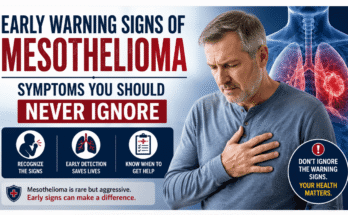
Anyone with a personal or family history of asbestos contact benefits from awareness of early symptoms: persistent cough, unexplained fatigue, chest or abdominal discomfort, or unexplained weight loss. Waiting for the “classic” patient profile can delay care.
Myth 4: No Effective Treatments Exist
Despair sometimes follows the diagnosis because people believe nothing can be done.
The reality: A definitive cure remains elusive for most patients, yet the treatment toolkit has expanded. Standard options include surgery (pleurectomy/decortication or extrapleural pneumonectomy for selected pleural cases; cytoreduction for peritoneal disease), platinum-based chemotherapy with pemetrexed, and radiation. These modalities are often combined.
Immunotherapy now sits in the first-line setting for many unresectable cases. Nivolumab plus ipilimumab and pembrolizumab plus chemotherapy both improve survival over chemotherapy alone. Targeted therapies and clinical trials exploring CAR-T cells, additional checkpoint inhibitors, and novel combinations continue to enroll patients. Genetic profiling of tumors helps match individuals to the most promising approaches.
Supportive care—pain management, drainage of fluid, nutritional counseling, and pulmonary rehabilitation—forms an integral part of modern practice. Patients treated at high-volume centers with multidisciplinary teams generally experience better outcomes than those managed in isolation. Clinical-trial participation remains one of the strongest ways to access the newest options.
Myth 5: Compensation Is Easy and Automatic
Some believe a diagnosis automatically unlocks large payments with little effort.
The reality: Financial recovery is possible but requires documentation and persistence. Asbestos bankruptcy trusts still hold substantial assets—estimates range from roughly $17 billion to more than $22 billion remaining across dozens of active funds. Combined recoveries from multiple trusts often fall between $300,000 and $400,000, though individual results vary with exposure history and the specific trusts involved. Lawsuits against solvent companies produce average settlements in the $1 million to $1.4 million range; most cases resolve without trial.
Eligibility hinges on proving both the diagnosis and a credible link to specific products or workplaces. Medical records, employment histories, Social Security earnings statements, and sometimes co-worker affidavits supply the necessary evidence. Statutes of limitations typically run one to three years from diagnosis, so delay can close doors. Veterans may pursue VA disability benefits in addition to other remedies. Workers’ compensation claims address occupational exposure in many states.
Specialized attorneys who handle mesothelioma cases usually work on contingency, meaning no upfront fees. They identify every viable trust and defendant and manage the paperwork. Outcomes are never guaranteed, yet experienced counsel consistently improves the likelihood of meaningful recovery that covers medical costs, lost income, and other losses.
Myth 6: Symptoms Appear Quickly After Exposure
People sometimes expect immediate warning signs after contact with asbestos.
The reality: The latency period commonly stretches 20 to 50 years. Fibers remain in the body for decades before clinical disease emerges. Early symptoms are often vague—fatigue, mild shortness of breath, a dry cough, or subtle abdominal fullness—and easily attributed to aging, infection, or digestive issues. Only later do more dramatic signs such as significant fluid accumulation, severe pain, or substantial weight loss appear.
Because symptoms overlap with common conditions, diagnosis frequently occurs at an advanced stage. High-risk individuals benefit from discussing surveillance strategies with their physicians. Imaging, pulmonary function tests, and awareness of personal exposure history remain the practical tools available today.
Myth 7: Asbestos Is Fully Banned, So the Risk Is Over
Many assume the mineral disappeared from daily life decades ago.
The reality: The United States has never enacted a complete ban covering every use. In 2024 the EPA finalized restrictions on ongoing commercial uses and imports of chrysotile asbestos, the form still entering commerce at that time. Phase-out periods for certain specialized applications continued into 2026 and beyond. Legacy asbestos remains widespread in buildings constructed before the late 1980s, in older vehicles, and in industrial equipment. Disturbance during renovation, demolition, or maintenance still releases fibers.
Globally, asbestos continues in use in a number of countries. Environmental sources and secondary exposure persist. Safe-handling rules from OSHA and EPA regulations reduce risk for workers, yet the mineral has not vanished. Awareness and proper abatement remain necessary whenever older materials are disturbed.
Practical Steps After Learning the Facts
Knowledge alone is not enough. Patients and families can take concrete actions:
- Compile a detailed exposure history that includes jobs, military service, home renovations, and family contacts.
- Seek care at a center experienced with mesothelioma; multidisciplinary teams improve outcomes.
- Discuss clinical-trial options early.
- Apply promptly for Social Security Disability if work is no longer possible—mesothelioma qualifies for expedited review under Compassionate Allowances.
- Consult an attorney familiar with asbestos litigation to evaluate trust-fund and lawsuit possibilities before deadlines pass.
- Keep organized records of every medical visit, insurance correspondence, and employment document.
Frequently Asked Questions
Is asbestos the only cause of mesothelioma?
Asbestos is the dominant cause, responsible for the large majority of cases. Radiation, certain other mineral fibers such as erionite, and genetic factors like BAP1 mutations contribute in a smaller percentage of patients.
What is the average life expectancy after a mesothelioma diagnosis?
Median survival varies widely. With chemotherapy alone it has historically been 12–14 months. Immunotherapy combinations have extended median overall survival to approximately 18 months in key trials, with 14 percent of patients reaching five years in the longest follow-up data. Peritoneal disease treated with surgery and HIPEC often shows longer survival.
Can women and younger people get mesothelioma?
Yes. Women represent roughly one-quarter of diagnoses, frequently through secondary exposure. Cases in younger adults occur, though less commonly, after childhood or environmental contact.
Are there effective treatments today?
Yes. Surgery, chemotherapy, radiation, and immunotherapy are used alone or in combination. Newer regimens have improved survival and disease control compared with older standards. Palliative care also enhances quality of life.
Is compensation automatic after diagnosis?
No. Patients must document exposure and diagnosis and file within legal time limits. Trust funds and lawsuits offer pathways, but success depends on evidence and proper filing.
How long after exposure do symptoms usually appear?
Typically 20 to 50 years. The long latency means many patients are diagnosed decades after the original contact.
Is asbestos still a risk in the United States?
Yes. Although new commercial uses of chrysotile have been heavily restricted, legacy materials in older buildings and equipment continue to pose hazards during disturbance.
Internal and External Linking Suggestions
Internal links (once related content exists on the site):
- Link “mesothelioma symptoms” to a dedicated symptoms and early-detection page.
- Link “treatment options” to an in-depth multimodal therapy overview.
- Link “asbestos trust funds” to a compensation guide covering trusts and lawsuits.
- Link “VA benefits for veterans” to a veterans-specific resource.
External authoritative sources:
- National Cancer Institute or American Cancer Society pages on mesothelioma survival and treatment.
- CDC or EPA materials on asbestos health risks and regulations.
- Social Security Administration Compassionate Allowances list.
- Peer-reviewed updates of the CheckMate 743 and KEYNOTE-483 trials.
- Official state workers’ compensation resources for occupational claims.
Closing Perspective
Mesothelioma remains a serious disease, yet the gap between myth and medical reality has narrowed. Longer survival for some patients, better symptom control, and multiple avenues of financial recovery are part of the current landscape. Accurate information allows families to focus energy on care and practical planning instead of unfounded fear.
This article is intended for general education only. It does not replace personalized medical advice or legal counsel. Every case is unique. Consult qualified physicians and attorneys licensed in your jurisdiction for guidance tailored to individual circumstances.