Mesothelioma, a rare and aggressive cancer primarily linked to asbestos exposure, continues to challenge medical professionals and patients alike. As of September 2025, significant strides in research are offering new hope through innovative treatments, improved diagnostics, and ongoing clinical trials. With approximately 3,000 new cases diagnosed annually in the U.S., the focus has shifted toward personalized therapies and combination approaches that aim to extend survival rates and enhance quality of life. This article delves into the latest advances in mesothelioma research for 2025, highlighting breakthroughs in immunotherapy, targeted therapies, and diagnostic technologies, while exploring their implications for patients and caregivers.
What is Mesothelioma?
Mesothelioma is a cancer that originates in the mesothelium, the thin tissue layer covering internal organs such as the lungs, abdomen, and heart. The disease is almost exclusively caused by asbestos exposure, with a long latency period of 20 to 50 years, making early detection difficult. Pleural mesothelioma, affecting the lung lining, is the most common form, comprising about 75% of cases, followed by peritoneal (abdominal) and rarer types like pericardial (heart).
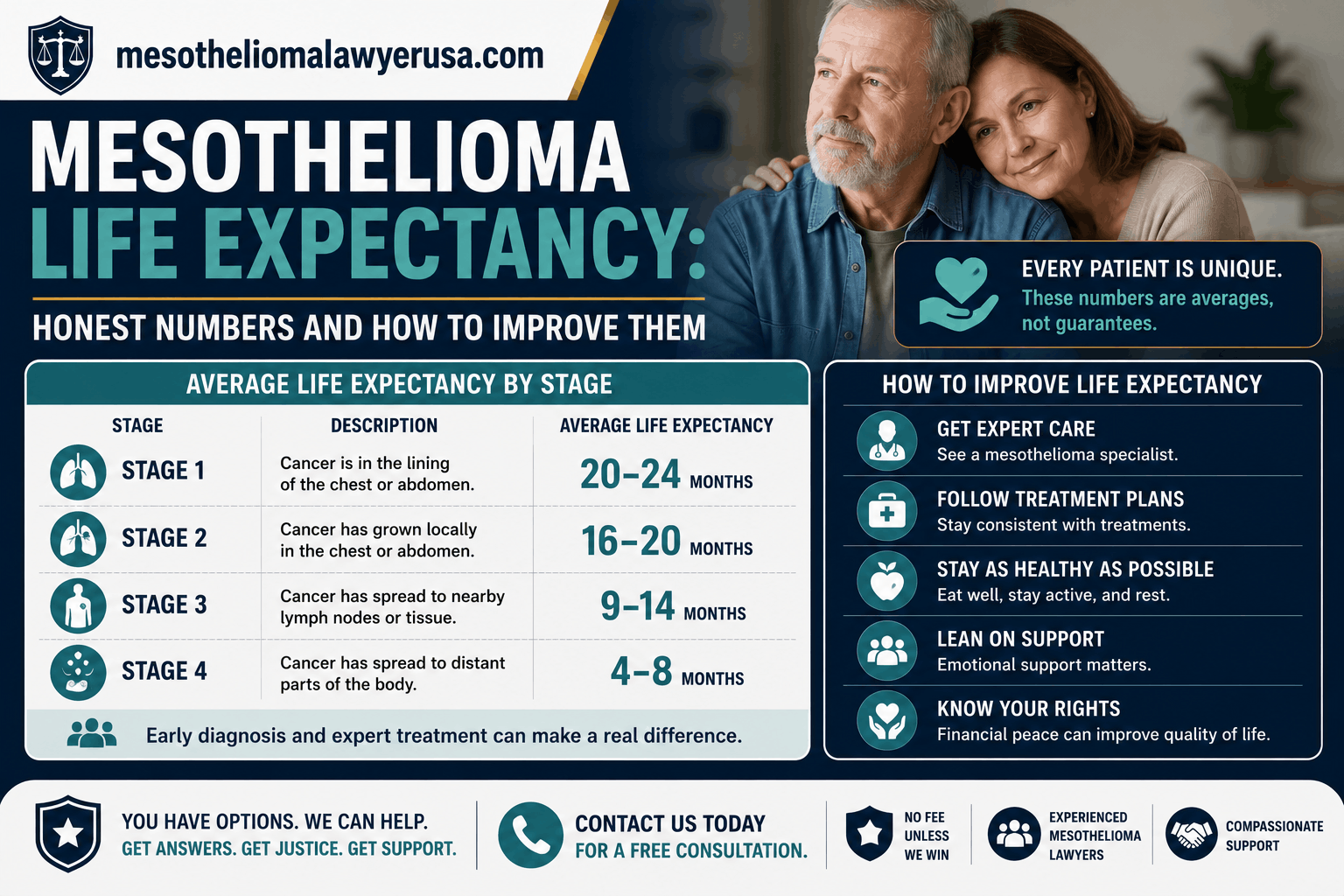
Symptoms often include shortness of breath, chest pain, abdominal swelling, and unexplained weight loss, which can mimic other conditions. Traditional treatments have included surgery, chemotherapy, and radiation, but survival rates have historically been low, with a median of 12 to 21 months. However, 2025 brings renewed optimism through research advancements that target the disease more effectively.
Recent Advances in Mesothelioma Diagnosis
Accurate and timely diagnosis is crucial for improving outcomes in mesothelioma cases. In 2025, advancements in diagnostic technologies are transforming how the disease is identified, allowing for earlier intervention.
One notable development is the refinement of imaging techniques and biomarkers. Enhanced CT scans, PET imaging, and MRI protocols now offer better resolution to distinguish mesothelioma from other lung conditions. Additionally, blood-based biomarkers, such as soluble mesothelin-related peptides (SMRP) and fibulin-3, are being integrated into routine screenings for high-risk individuals, like those with past asbestos exposure.
Liquid biopsies, which analyze circulating tumor DNA, are also gaining traction. These non-invasive tests can detect genetic mutations specific to mesothelioma, aiding in precise staging and monitoring treatment response. The American Society of Clinical Oncology (ASCO) updated its guidelines in 2025 for pleural mesothelioma, incorporating data from 110 peer-reviewed studies to emphasize these diagnostic tools. These innovations are particularly beneficial for workers in high-risk industries, enabling proactive health management.
Breakthroughs in Mesothelioma Treatment
2025 has seen remarkable progress in mesothelioma treatments, focusing on immunotherapy, targeted therapies, and multimodal approaches that combine multiple strategies for better efficacy.
Immunotherapy Advancements
Immunotherapy harnesses the body’s immune system to fight cancer cells, and it’s at the forefront of mesothelioma research. Immune checkpoint inhibitors (ICIs), such as nivolumab and ipilimumab, have shown promising results in clinical trials. A 2025 update highlights their use in combination with traditional chemotherapy, extending progression-free survival in advanced cases.
Additionally, researchers are exploring CAR-T cell therapy, where T-cells are engineered to target mesothelioma-specific antigens. Trials at institutions like UCSD are testing A2B694, an autologous logic-gated Tmod™ CAR T-cell product, for solid tumors including mesothelioma. Dendritic cell therapies, which train immune cells to recognize cancer, are also advancing, with UCLA leading efforts in cell-based treatments.
Targeted and Molecular Therapies
Molecular targeted therapies address specific genetic mutations in mesothelioma tumors. Drugs like IAG933, tested in UCLA trials, inhibit pathways involved in tumor growth for patients with NF2/LATS1/LATS2 mutations. Gene therapy approaches, including CRISPR-based edits, are emerging to correct faulty genes like BAP1, common in hereditary cases.
Combination treatments, such as heated intraperitoneal chemotherapy (HIPEC) for peritoneal mesothelioma or SMART (Surgery for Mesothelioma After Radiation Therapy), are refining multimodal strategies. Tumor Treating Fields (TTFields), using electric fields to disrupt cancer cell division, continue to show efficacy in trials.
Photodynamic Therapy and Emerging Combinations
A 2025 study in Cancer Research Communications demonstrated that combining immunotherapy with photodynamic therapy enhances treatment effectiveness by boosting immune responses against mesothelioma cells. This light-activated approach, where photosensitizing agents target tumors, is being optimized for better outcomes in pleural cases.
Key Clinical Trials and Research Initiatives in 2025
Clinical trials are driving innovation, with several noteworthy efforts:
- City of Hope: Focusing on immunotherapy and targeted therapies for personalized treatment.
- UCLA Health: Exploring advanced immunotherapies, targeted drugs, and novel surgical techniques.
- International Symposium on Malignant Mesothelioma: Scheduled for October 25-26, 2025, hosted by the Mesothelioma Applied Research Foundation, this event will showcase global advancements and foster collaboration.
These initiatives emphasize access, education, and support, aiming for a cure through continued research.
Future Outlook for Mesothelioma Research
Looking ahead, 2025 research trends point toward precision medicine, where treatments are tailored to genetic profiles, and the integration of artificial intelligence for better diagnostics. Systemic therapies remain the standard for advanced stages, offering a median survival of about one year, but combinations are pushing boundaries. Emerging therapies like HITHOC (Hyperthermic Intrathoracic Chemotherapy) and TTFields are expected to gain wider adoption, potentially improving survival rates to 18-24 months or more in select patients.
Conclusion: Hope on the Horizon for Mesothelioma Patients
Advances in mesothelioma research in 2025, from immunotherapy combinations to molecular targeted therapies and innovative clinical trials, are reshaping treatment landscapes and offering renewed hope. As diagnostic tools improve and personalized approaches emerge, patients can expect better outcomes. Staying informed about these developments is crucial for those affected by asbestos exposure.
This article is for informational purposes only and not a substitute for professional medical or legal advice.