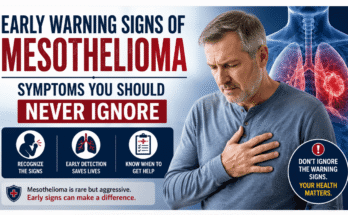
Mesothelioma is almost always linked to asbestos exposure. Because of that strong connection, the disease is considered largely preventable. No method can remove every possible risk, yet most cases can be avoided by limiting contact with asbestos fibers.
This guide explains what leading health organizations recommend, why prevention is possible, and the practical steps individuals and employers can take. The focus is on clear, realistic actions rather than absolute guarantees.
Understanding the Link Between Asbestos and Mesothelioma
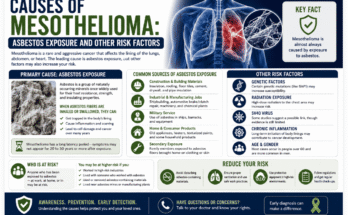
Mesothelioma develops in the thin lining that covers the lungs, abdomen, or other organs. Asbestos fibers, once inhaled or swallowed, can remain in the body for decades. Over time they cause chronic irritation and cellular changes that may lead to cancer. The latency period is typically 20 to 50 years, which is why many people are diagnosed long after the original exposure occurred.
Asbestos was widely used in construction materials, insulation, shipbuilding, automotive parts, and industrial products because of its heat resistance and durability. Although its use has declined sharply in many countries, the material still exists in older buildings, equipment, and some products. There is no known safe level of exposure. Even brief or low-level contact can carry risk, especially when fibers become airborne and are breathed in repeatedly.
Secondary exposure also matters. Family members of workers who brought home fibers on clothing or tools have developed mesothelioma. Environmental exposure near former industrial sites or natural asbestos deposits adds another route of risk.
The disease is not contagious and is not considered hereditary in the usual sense, although certain genetic factors can increase susceptibility when asbestos is also present.
What Leading Organizations Say About Prevention
Health authorities agree on the core principle: the most effective way to prevent mesothelioma is to prevent asbestos exposure.
The American Cancer Society states that avoiding or strictly limiting asbestos contact is the primary preventive measure. They also note that smoking does not cause mesothelioma but significantly increases the risk of other asbestos-related lung diseases. High-risk individuals, such as former industrial or construction workers, are encouraged to discuss monitoring with their doctors.
The Centers for Disease Control and Prevention emphasizes occupational controls and environmental awareness. As asbestos use continues to decline, case rates are expected to fall over time, yet legacy materials will remain a concern for decades.
The Environmental Protection Agency focuses on safe handling and proper abatement. The agency strongly advises against do-it-yourself removal of materials that may contain asbestos. Disturbing the material without proper containment and protective equipment can release fibers into the air and increase rather than decrease risk.
Specialized organizations that support mesothelioma patients reinforce the same message. They stress community education, workplace safety programs, and policies that further restrict remaining uses of asbestos.
Across these sources the consensus is consistent: prevention centers on exposure reduction. No vaccine or medication currently exists that can reliably prevent the disease after significant exposure has already occurred.
Workplace Safety Measures
Occupational settings still account for the majority of high-level exposures. Employers and workers in construction, renovation, ship repair, industrial maintenance, and related fields carry particular responsibility.
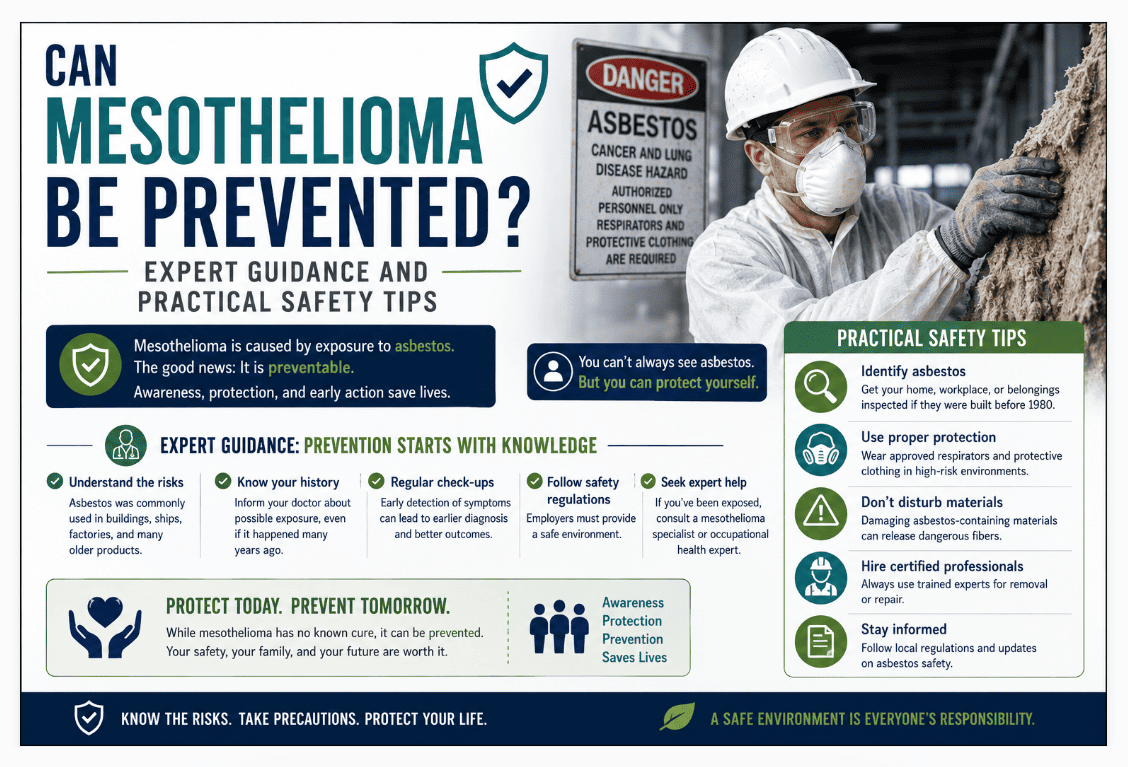
Begin with identification. Before any renovation, demolition, or maintenance work on buildings constructed before the 1980s, have materials tested by accredited professionals. Assume suspect materials contain asbestos until proven otherwise.
When asbestos is present and must be disturbed, only trained and certified personnel should perform the work. Personal protective equipment is essential. This includes properly fitted respirators approved for asbestos, disposable coveralls, gloves, and eye protection. Clothing worn during work should not be taken home.
Work practices matter as much as equipment. Wet methods keep fibers from becoming airborne. High-efficiency particulate air (HEPA) vacuums are required for cleanup; ordinary household vacuums or dry sweeping spread contamination. Containment barriers and negative-pressure ventilation systems keep fibers from migrating into other areas of a building.
Employers must provide asbestos awareness training and maintain exposure monitoring. Workers should never eat, drink, or smoke in contaminated areas. On-site changing and showering facilities further reduce the chance of carrying fibers home.
These controls, when consistently applied, substantially lower the risk of occupational exposure.
Home and Everyday Precautions
Asbestos can also be present in older houses, schools, and public buildings. Common locations include pipe insulation, floor tiles, ceiling textures, roofing materials, and certain cement products.
If you own or renovate a home built before the 1980s, have potential asbestos-containing materials inspected by qualified professionals before disturbing them. Do not sand, drill, cut, or break materials that may contain asbestos. If removal is necessary, hire licensed abatement contractors who follow established containment and disposal procedures.
Simple habits also help. If a family member works in a high-risk occupation, keep work clothes separate from household laundry and ensure they change before entering living areas. In regions with naturally occurring asbestos in soil or rock, avoid creating dust during dry, windy conditions and use wet cleaning methods indoors.
Smoking cessation is strongly recommended for anyone with a history of asbestos exposure. While smoking does not cause mesothelioma, the combination of the two greatly increases the risk of lung cancer and other respiratory disease.
Realistic Limits of Prevention
Complete elimination of risk is not currently possible. Asbestos remains in many older structures. Some products still contain the material in limited applications. Natural deposits exist in certain geographic areas. People who already experienced significant exposure in the past cannot reverse that history.
Even so, future exposure can be minimized. Each avoided contact reduces cumulative risk. For individuals with known past exposure, awareness of symptoms and prompt medical attention if problems arise remain important.
Research continues into ways to reduce harm after exposure has occurred, but none of these approaches yet replace the primary strategy of preventing contact in the first place.
Practical Steps You Can Take Now
- Learn whether buildings you live or work in were constructed when asbestos was commonly used.
- Never attempt to remove or disturb suspect materials yourself.
- Support workplace safety programs and report concerns about inadequate controls.
- Keep work clothing and equipment away from living spaces if your job involves possible asbestos contact.
- Quit smoking and maintain regular medical care if you have a history of exposure.
- Stay informed about local regulations and proper disposal methods for asbestos-containing waste.
These actions are straightforward and within the reach of most people and organizations.
Frequently Asked Questions
Is mesothelioma completely preventable?
It is largely preventable by avoiding asbestos exposure. No method removes every possible risk, but the great majority of cases can be avoided through consistent safety practices.
Is there any safe level of asbestos exposure?
Health authorities state that no safe level has been identified. Risk increases with the amount and duration of exposure.
Can mesothelioma develop without occupational exposure?
Yes. Secondary exposure through family members’ clothing, environmental sources, or disturbance of asbestos in older buildings has caused cases.
Should I have my home tested for asbestos?
Testing is wise before renovations in homes built before the 1980s, especially if materials such as insulation, flooring, or ceiling textures will be disturbed.
Does quitting smoking prevent mesothelioma?
Smoking does not cause mesothelioma, but quitting reduces the overall risk of lung disease in people who have also been exposed to asbestos.
What should I do if I already have a history of asbestos exposure?
Discuss your history with a physician. Be aware of respiratory symptoms and seek evaluation if they appear. Avoid further exposure whenever possible.
Are there medications that can prevent mesothelioma after exposure?
No proven preventive medications currently exist. Research continues, but exposure avoidance remains the primary strategy.
Internal and External Linking Suggestions
Internal links:
- Link “asbestos exposure risks” to a detailed page on common sources and occupations.
- Link “mesothelioma symptoms” to early-warning signs and when to seek care.
- Link “legal and compensation options” to information on trust funds and claims for those already diagnosed.
- Link “workplace safety resources” to practical guidance for high-risk jobs.
External authoritative sources:
- American Cancer Society information on asbestos and cancer risk.
- Centers for Disease Control and Prevention pages on asbestos and occupational health.
- Environmental Protection Agency guidance on asbestos in homes and schools.
- Occupational Safety and Health Administration standards for asbestos.
- World Health Organization or International Agency for Research on Cancer statements on asbestos.
Closing Perspective
Mesothelioma is one of the clearer examples of a cancer that can be largely prevented. The fibers that cause it are identifiable, the settings where exposure occurs are known, and effective control methods exist. Consistent application of those methods—proper identification, professional handling, protective equipment, and everyday caution—reduces risk for workers, families, and communities.
Awareness and careful action today protect health for decades to come. For those already facing a diagnosis, separate resources address treatment, support, and compensation. For everyone else, prevention remains the most powerful tool available.
This article is for educational purposes only. It does not replace professional medical, occupational safety, or legal advice. Consult qualified experts for guidance specific to individual circumstances or work environments.